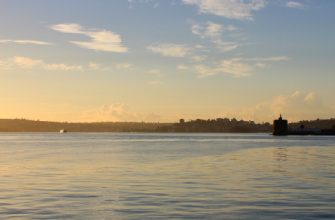
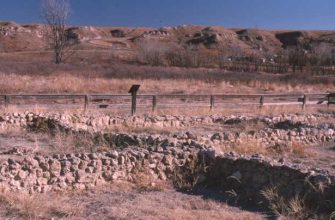
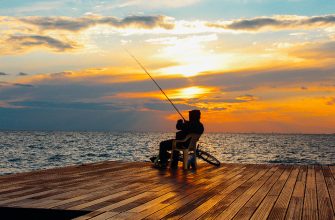
McPherson State Fishing Lake offers something no other fishing lake in Kansas can: a chance to cast a line within sight of free-roaming bison and elk. The scenic 46-acre lake sits beside the 2,254-acre Maxwell Wildlife Refuge north of Canton in central Kansas, tucked into the wooded southeastern tip of the Smoky Hills. With a fair-to-excellent fishery, a pretty lakeside campground and the refuge’s prairie herds next door, it’s a genuinely memorable little destination.
This guide covers McPherson State Fishing Lake and the Maxwell Wildlife Refuge – the fishing, the camping, and the bison. It’s part of our growing Kansas Lakes Database.
- McPherson State Fishing Lake at a glance
- The bison and elk of Maxwell Wildlife Refuge
- Fishing McPherson State Fishing Lake
- Camping and visiting
- Getting there and what’s nearby
- Frequently asked questions
- Are there really bison at McPherson State Fishing Lake?
- How big is McPherson State Fishing Lake?
- What fish can you catch at McPherson State Fishing Lake?
- Where is McPherson State Fishing Lake?
McPherson State Fishing Lake at a glance
- Size: a 46-acre lake (built 1954) within 260 acres of public-use land, 6 miles north of Canton in McPherson County, central Kansas
- Setting: the wooded southeastern tip of the Smoky Hills, on the upper Gypsum Creek drainage
- Managed by: Kansas Department of Wildlife and Parks (KDWP)
- Top fish: channel catfish, largemouth bass, black crappie, bluegill, redear sunfish and bullhead
- Next door: the 2,254-acre Maxwell Wildlife Refuge, home to herds of bison and elk
- Camping: a nice wooded campground on the west shore; boating is fishing-only (no skiing or pleasure boating)
The bison and elk of Maxwell Wildlife Refuge
What makes a trip here special is the neighbor. The adjoining Maxwell Wildlife Refuge protects 2,254 acres of rolling native prairie and is home to herds of bison and elk – a living glimpse of the Great Plains as they once were. Guided tram tours take visitors out among the bison, and an observation tower gives a wider view of the prairie. Pairing a fishing trip with the refuge makes for an easy, rewarding day in central Kansas.
Fishing McPherson State Fishing Lake
The lake’s usually clear water supports fair-to-excellent fishing for channel catfish, largemouth bass, black crappie, bluegill and redear sunfish, with bullhead in the mix too. Because boating is restricted to fishing only – no skiing or pleasure craft – it stays calm and quiet. Work the wooded shoreline and points for bass, brush for crappie, and the channel for catfish. Anglers 16 to 74 need a Kansas fishing license; check the current KDWP report before you go.
Camping and visiting
The wooded campground on the west shore is the lake’s calling card – shady, scenic and quiet, with a boat launch in the main use area. As with any warm Kansas lake, watch for summer blue-green algae advisories and avoid visible scum. Check refuge schedules in advance if you want to catch a bison tram tour.
Getting there and what’s nearby
The lake is 6 miles north of Canton, an easy drive northeast of the city of McPherson in central Kansas. For bigger reservoirs nearby, scenic Kanopolis Lake lies to the northwest in the Smoky Hills, and Marion Reservoir to the southeast.
Frequently asked questions
Are there really bison at McPherson State Fishing Lake?
Yes – the lake sits beside the 2,254-acre Maxwell Wildlife Refuge, which is home to herds of bison and elk, with guided tram tours and an observation tower.
How big is McPherson State Fishing Lake?
About 46 acres, within 260 acres of public-use land, 6 miles north of Canton in McPherson County, central Kansas.
What fish can you catch at McPherson State Fishing Lake?
Channel catfish, largemouth bass, black crappie, bluegill, redear sunfish and bullhead, in usually clear water. Boating is fishing-only.
Where is McPherson State Fishing Lake?
In McPherson County in central Kansas, 6 miles north of Canton, beside the Maxwell Wildlife Refuge.
Related: explore more small lakes of Kansas, or nearby reservoirs like Kanopolis and Marion – or head back to the Kansas Lakes Database.