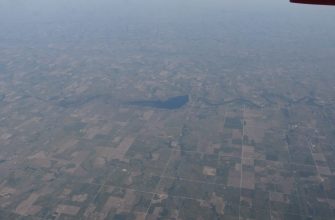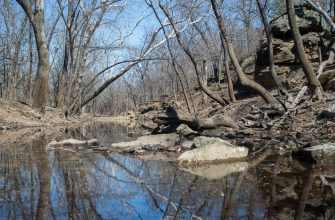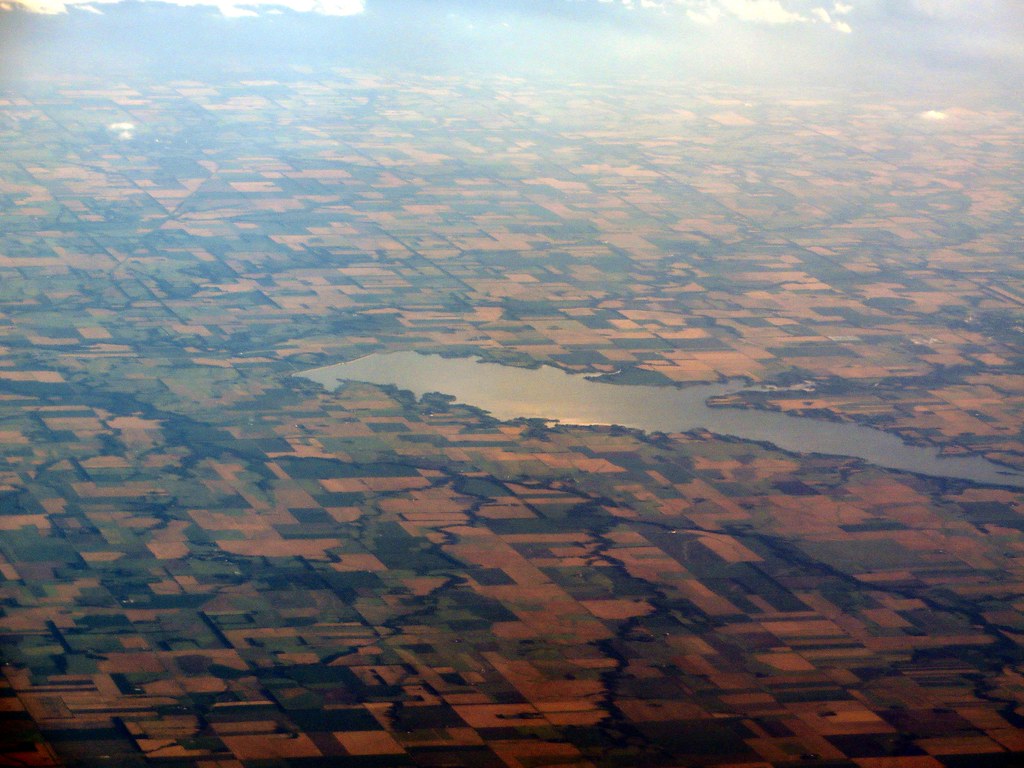
Marion Reservoir is a fishing-and-fowl lake. Sitting between the towns of Marion and Hillsboro in central Kansas, just north of U.S. 56, this 6,200-acre reservoir is best known for two things: a terrific spring white bass run up the Cottonwood River, and one of the better waterfowl stops in the state, where geese and ducks pile in by the thousands each fall. Around the water sit four Corps of Engineers campgrounds and another 6,000 acres of public land. It’s a working prairie reservoir – no marina, no frills – but for anglers and hunters it punches well above its size.
This guide covers all of Marion – the fishing, the waterfowl and hunting, the four campgrounds, and the one thing you really need to check before you swim: the lake’s recurring blue-green algae warnings. It’s part of our growing Kansas Lakes Database.
- Marion Reservoir at a glance
- The white-bass and waterfowl lake
- Fishing Marion Reservoir
- Is Marion Reservoir safe to swim? Blue-green algae
- Waterfowl and hunting
- Boating, ramps and camping
- Marion Reservoir vs. Marion County Lake
- Getting there and what’s nearby
- Know before you go
- Frequently asked questions
- How big is Marion Reservoir?
- What fish can you catch at Marion Reservoir?
- Is Marion Reservoir safe to swim in?
- Is Marion Reservoir good for waterfowl hunting?
- Can you camp at Marion Reservoir?
- Where is Marion Reservoir?
Marion Reservoir at a glance
- Size: ~6,200 acres of water plus about 6,000 acres of surrounding public land
- Location: Marion County, between Marion and Hillsboro, just north of U.S. 56
- Built: dam on the Cottonwood River, completed in 1968 by the U.S. Army Corps of Engineers
- Top fish: white bass, walleye, crappie, wiper, channel and flathead catfish (18-inch limit on walleye and largemouth)
- Camping: four Corps parks – Cottonwood Point, Hillsboro Cove, Marion Cove and French Creek Cove (253 sites; no marina)
- Known for: the spring white-bass run and excellent waterfowl hunting
The white-bass and waterfowl lake
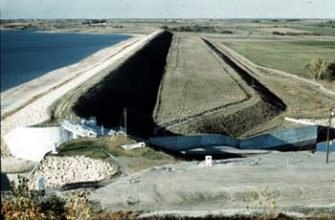
The Corps of Engineers dammed the Cottonwood River here in 1968 for flood control, and the shallow, fertile reservoir that resulted turned out to be ideal for two things in particular. In spring, white bass run hard up the Cottonwood and stack in the upper end and the river, and the bite can be fast and furious. In fall and winter, the lake and its refuge become a magnet for migrating geese and ducks on the Central Flyway. Add good walleye and crappie fishing and a big block of public hunting land, and Marion earns its loyal following among anglers and hunters who don’t mind a no-frills lake.
Fishing Marion Reservoir
White bass is the headliner – the spring run is the event of the year here – but Marion fishes well across the board, with walleye, crappie, wiper and strong channel and flathead catfish. Note the 18-inch minimum length limit on walleye and largemouth bass.
- White bass: in spring, fish the upper end and the Cottonwood River above the lake during the run; chase open-water schools in summer.
- Walleye: work the points, the dam and the channel at low light; mind the 18-inch limit.
- Crappie: Hillsboro Cove and Cottonwood Point are reliable – fish brush and the fish feeders.
- Catfish: the flats and the upper, riverier end produce channels and big flatheads.
Anglers 16 to 74 need a Kansas fishing license; check the latest KDWP fishing report and limits before you go.
Is Marion Reservoir safe to swim? Blue-green algae
Be careful here: Marion is one of the most algae-prone lakes in Kansas, and it spends a good part of many summers under a KDHE blue-green algae Warning – the highest level, meaning a harmful bloom is present and water contact should be avoided entirely for people and pets. During a Warning, swimming, wading and skiing are off the table; fishing is still considered safe, but rinse your catch with clean water and eat only the fillet. Always check the current KDHE advisory before you plan a swim at Marion – it’s the lake on this list where that check matters most.
Waterfowl and hunting
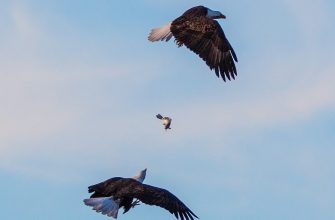
Marion is as much a hunting destination as a fishing one. The surrounding Marion Wildlife Area is managed primarily for waterfowl, with a refuge geared to attract and hold geese, and duck and goose numbers build through the fall as birds move down the Central Flyway. Only temporary duck blinds are allowed (and must be removed after each trip). The public land is also open to upland and deer hunting in season, and bald eagles follow the waterfowl in to winter along the lake. Check KDWP regulations and the area hunting map before you go.
Boating, ramps and camping
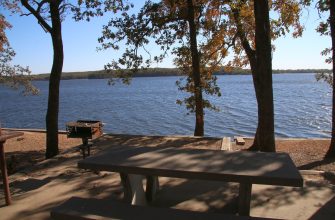
There’s no marina at Marion, but it’s easy to launch and stay: the Corps runs four campgrounds – Cottonwood Point, Hillsboro Cove, Marion Cove and French Creek Cove – with roughly 253 campsites from primitive to RV hookups, and boat ramps at each (Cottonwood Point has courtesy docks). The Willow Walk Nature Trail, about a mile, loops through Cottonwood Point. Bait and tackle are available at shops near the lake. Reserve sites on Recreation.gov.
Marion Reservoir vs. Marion County Lake
One quick clarification for first-time visitors: the federal Marion Reservoir described here is a different water than the smaller Marion County Lake southeast of town. Both fish well, but they’re separate lakes with separate rules and facilities – make sure you know which one you’re headed to.
Getting there and what’s nearby
Marion sits in central Kansas just off U.S. 56, about an hour north of Wichita and a similar drive from Salina or Emporia. The towns at either end are worth a look: Hillsboro has a strong Mennonite heritage, Tabor College and the long-running Hillsboro Arts & Crafts Fair, and Marion is a historic county seat with a pretty downtown. It’s quiet, friendly, off-the-beaten-path Kansas.
Know before you go
- Algae: Marion is highly algae-prone – check the current KDHE advisory before any water contact, and keep kids and dogs out during a Warning.
- Fishing license: anglers 16-74 need a Kansas fishing license; note the 18-inch walleye and largemouth limits.
- No marina: there are boat ramps and bait shops, but no on-lake marina – bring what you need.
- Hunting: the wildlife area is managed for waterfowl; check KDWP regulations, the refuge boundaries and blind rules.
- Water level: as a flood-control reservoir Marion rises and falls – check current conditions before launching.
Frequently asked questions
How big is Marion Reservoir?
About 6,200 acres of water with another 6,000 acres of public land, in Marion County between the towns of Marion and Hillsboro.
What fish can you catch at Marion Reservoir?
White bass is the headliner, especially during the spring run up the Cottonwood River, along with walleye, crappie, wiper, and channel and flathead catfish. There’s an 18-inch limit on walleye and largemouth bass.
Is Marion Reservoir safe to swim in?
Often not – Marion is one of the most algae-prone lakes in Kansas and is frequently under a KDHE blue-green algae Warning in summer, when all water contact should be avoided. Fishing is still considered safe during a Warning. Always check the current advisory first.
Is Marion Reservoir good for waterfowl hunting?
Yes – the Marion Wildlife Area is managed primarily for waterfowl, with a refuge that holds geese and strong duck and goose numbers through the fall on the Central Flyway. Only temporary blinds are allowed.
Can you camp at Marion Reservoir?
Yes – the Corps of Engineers runs four campgrounds (Cottonwood Point, Hillsboro Cove, Marion Cove and French Creek Cove) with about 253 sites and boat ramps, bookable on Recreation.gov. There is no marina.
Where is Marion Reservoir?
In Marion County in central Kansas, between Marion and Hillsboro just north of U.S. 56, about an hour north of Wichita.
Related: explore more of the largest lakes in Kansas – including El Dorado Lake, Cheney Lake and Council Grove Lake – or head back to the Kansas Lakes Database.