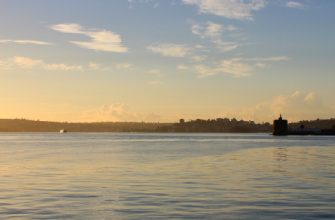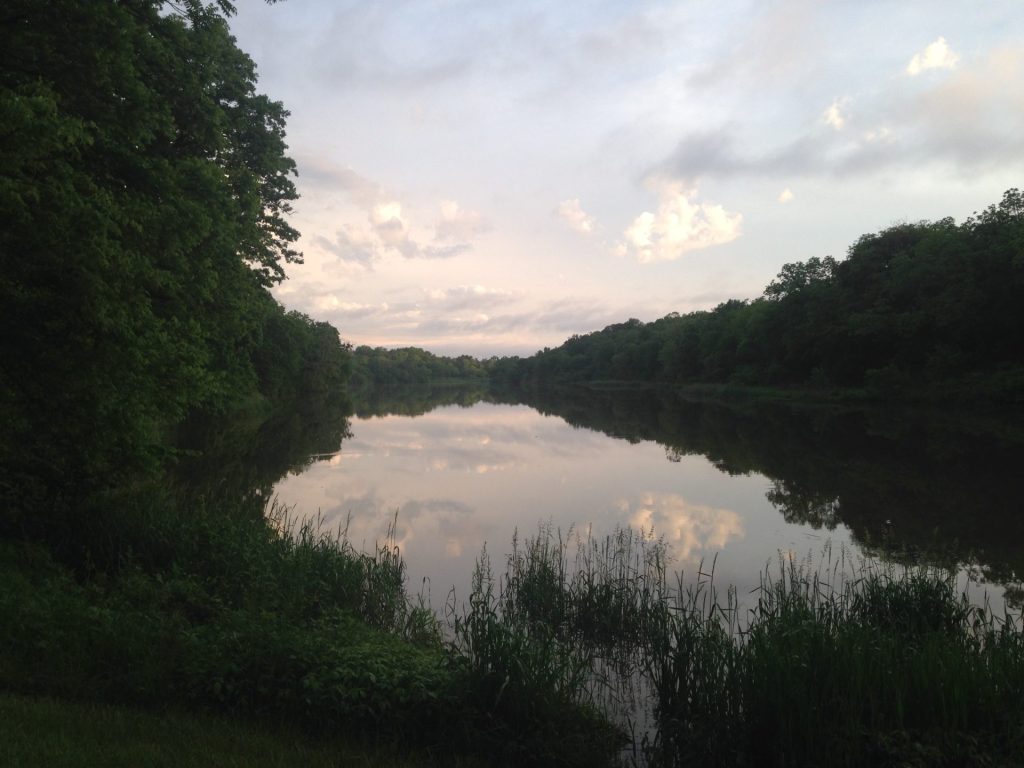
Lone Star is Lawrence’s quiet little lake with a big history. About 10 miles southwest of town in the rolling farmland of Douglas County, this 185-acre lake was hand-built by the Civilian Conservation Corps in the 1930s – its Art Deco dam and the old stone camp structures are still here – and it’s been a beloved, low-key fishing and camping spot ever since. There’s no marina and no crowds, just good bass and crappie fishing, a swim beach and a campground full of character. For Lawrence and KU folks who want the lake without the bustle of Clinton, this is the one.
This guide covers all of Lone Star – the history, the fishing, the camping and day use, and how to get there. It’s part of our growing Kansas Lakes Database.
Lone Star Lake at a glance
- Size: ~185-acre lake within a 422-acre Douglas County park
- Location: Douglas County, about 10 miles southwest of Lawrence near the hamlet of Lone Star
- Built: by the Civilian Conservation Corps, 1934-1940 (completed 1939); owned and operated by Douglas County
- Top fish: largemouth bass, crappie, channel and flathead catfish, walleye, saugeye, bluegill, redear sunfish
- Facilities: campground, swim beach, boat ramp, fishing dock, shelters and a playground (no marina)
- Known for: quiet fishing, CCC-era history and an easy escape from Lawrence
A lake the CCC built
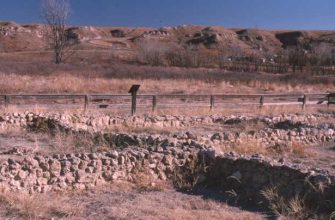
Lone Star is a piece of New Deal Kansas. Construction began in 1934 under the Civilian Conservation Corps for the state’s Forestry, Fish and Game Commission; when the money ran short the project was handed to Douglas County in 1937, and the lake was completed in 1939. The CCC’s work is still visible: the earthen dam is topped with a handsome Art Deco concrete parapet and guard posts, and the modern campground occupies the former CCC camp, where a stone water tower, stone fireplaces and 1940s concrete picnic tables still stand. It gives the park a sense of place you don’t get at a modern reservoir.
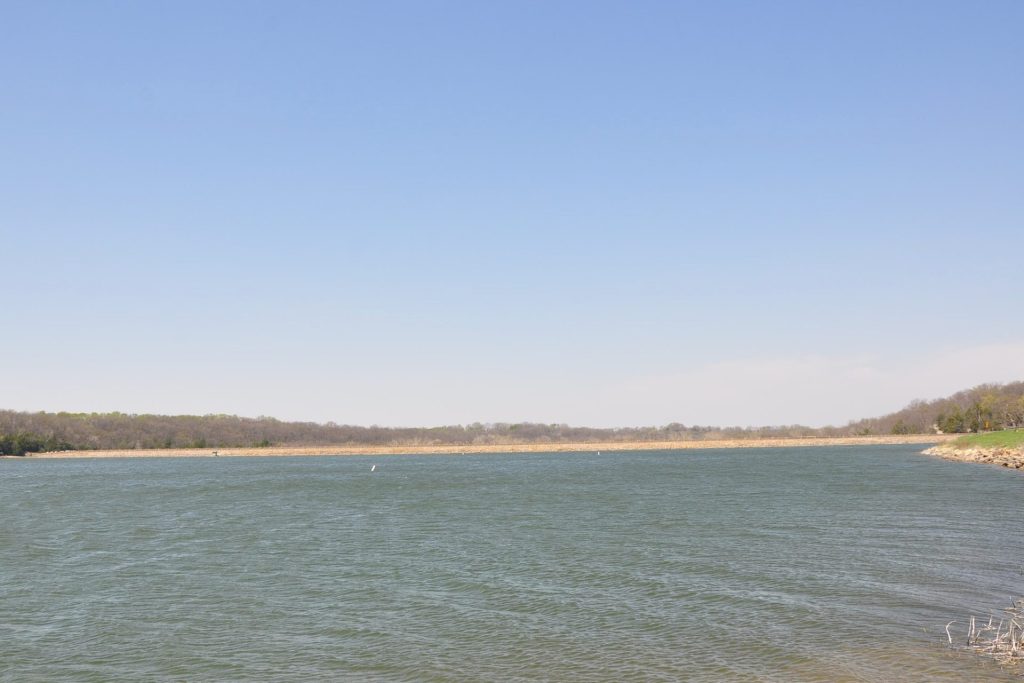
Fishing Lone Star Lake
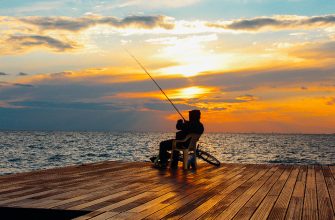
For a small lake, Lone Star fishes well. Largemouth bass and crappie are the mainstays, with good channel and flathead catfish, plus walleye, saugeye, bluegill and redear sunfish – the kind of mixed bag that makes for a fun afternoon. There’s a boat ramp and a fishing dock, and the quiet coves are easy to work from a kayak or small boat. Anglers 16 to 74 need a Kansas fishing license; check the latest KDWP report and limits before you go.
Camping and day use
The campground – set in the old CCC camp – offers seasonal overnight sites with restrooms and a playground, and the park adds day-use shelter areas, a swim beach, a boat ramp and a rentable community building for events. It’s primitive-leaning and laid-back rather than full-hookup resort camping, which is exactly the appeal. As with any warm Kansas lake, watch for summer blue-green algae advisories and avoid visible scum. Check Douglas County’s park rules and any reservation requirements before you go.
Getting there and what’s nearby
Lone Star is a short, scenic drive southwest of Lawrence off U.S. 56 and the county roads. For bigger water, Clinton Lake is right next door on the west side of Lawrence, and Pomona and Perry are easy day trips.
Frequently asked questions
How big is Lone Star Lake?
About 185 acres, within a 422-acre Douglas County park roughly 10 miles southwest of Lawrence.
Who built Lone Star Lake?
The Civilian Conservation Corps built it between 1934 and 1940 (completed 1939). The CCC’s Art Deco dam and stone camp structures still stand in the park.
What fish can you catch at Lone Star Lake?
Largemouth bass and crappie are the mainstays, along with channel and flathead catfish, walleye, saugeye, bluegill and redear sunfish.
Can you camp at Lone Star Lake?
Yes – there’s a seasonal campground in the former CCC camp, plus a swim beach, boat ramp, fishing dock and day-use shelters. There’s no marina.
Where is Lone Star Lake?
In Douglas County, about 10 miles southwest of Lawrence near the community of Lone Star.
Related: explore more small lakes of Kansas, or the big reservoirs near Lawrence like Clinton and Perry – or head back to the Kansas Lakes Database.