Clark State Fishing Lake is one of the most surprising landscapes in Kansas – a deep, clear, 300-acre lake tucked into a rugged Bluff Creek canyon in the high plains southwest of Dodge City. Built by the Civilian Conservation Corps in the 1930s and ringed by 900 acres of public hunting ground, it’s a scenic, uncrowded destination for walleye, bass and catfish, with free primitive camping anywhere on the property. For anglers and campers willing to make the drive, it’s a hidden gem.
This guide covers Clark State Fishing Lake – the canyon setting, the fishing, the camping, and how to visit. It’s part of our growing Kansas Lakes Database.
- Clark State Fishing Lake at a glance
- A canyon lake built by the CCC
- Fishing Clark State Fishing Lake
- Camping and visiting
- Getting there and what’s nearby
- Frequently asked questions
- How big and deep is Clark State Fishing Lake?
- What fish can you catch at Clark State Fishing Lake?
- Can you camp at Clark State Fishing Lake?
- Where is Clark State Fishing Lake?
Clark State Fishing Lake at a glance
- Size: about 300 acres in a Bluff Creek canyon, roughly 8.5 miles southwest of Kingsdown in north-central Clark County, southwest Kansas
- Depth: up to 42 feet, averaging about 17 feet – deep and clear for the region
- Surrounded by: ~900 acres of public hunting land; less than an hour from Dodge City
- Managed by: Kansas Department of Wildlife and Parks (KDWP)
- Top fish: walleye, largemouth bass, white bass, channel catfish, crappie, bluegill (catfish and walleye stocked yearly)
- Camping: free primitive camping anywhere on the property; pit toilets, four boat ramps – bring your own drinking water
A canyon lake built by the CCC
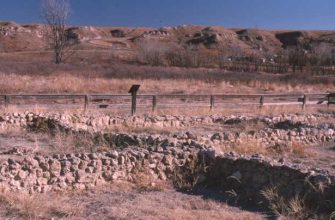
Clark stands apart from the flat-water reservoirs most people picture in Kansas. The lake fills a steep-sided canyon along Bluff Creek, with rocky bluffs rising from deep, clear water – a dramatic setting for the high plains. It was constructed in 1936-37 by the Civilian Conservation Corps (Company 4701) as a soil-conservation project, and the stonework and setting still give it a timeless, hand-built character. The surrounding 900 acres of public ground are open for hiking, wildlife watching and seasonal hunting.
Fishing Clark State Fishing Lake
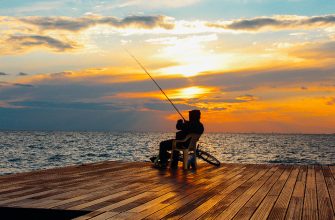
The depth and clarity make Clark a genuinely good fishery. It holds solid walleye, largemouth bass, white bass, channel catfish, crappie and bluegill, with channel catfish and walleye stocked each year. Work the rocky points and bluff edges for walleye and bass, the open water for white bass, and the coves for crappie and panfish. Four boat ramps make it easy to launch. Anglers 16 to 74 need a Kansas fishing license; check the current KDWP report and lake level before you go.
Camping and visiting
Clark offers genuinely flexible free primitive camping – you can camp almost anywhere on the property – with pit toilets and four boat ramps. There’s no potable water, so bring your own. It’s remote and quiet, which is exactly the appeal. As with any warm Kansas lake, watch for summer blue-green algae advisories and avoid visible scum.
Getting there and what’s nearby
The lake is about 8.5 miles southwest of Kingsdown and less than an hour from Dodge City, the legendary Old West cattle town (Boot Hill, the Santa Fe Trail). It’s a worthwhile detour on any southwest-Kansas road trip. For a far larger reservoir back toward the east, Cheney Lake is the nearest big-water option.
Frequently asked questions
How big and deep is Clark State Fishing Lake?
About 300 acres, up to 42 feet deep (averaging ~17 feet), set in a Bluff Creek canyon southwest of Kingsdown in Clark County.
What fish can you catch at Clark State Fishing Lake?
Walleye, largemouth bass, white bass, channel catfish, crappie and bluegill – channel catfish and walleye are stocked yearly.
Can you camp at Clark State Fishing Lake?
Yes – free primitive camping is allowed anywhere on the property, with pit toilets and four boat ramps, but no potable water, so bring your own.
Where is Clark State Fishing Lake?
In north-central Clark County in southwest Kansas, about 8.5 miles southwest of Kingsdown and less than an hour from Dodge City.
Related: explore more small lakes of Kansas, or the nearest big reservoir, Cheney – or head back to the Kansas Lakes Database.