Few places surprise first-time visitors like Historic Lake Scott State Park. Hidden in a rugged canyon on the high plains of western Kansas, this 1,020-acre park wraps around a clear, 100-acre spring-fed lake – an oasis of bluffs, springs and cottonwoods where you’d least expect it. National Geographic named it one of America’s 50 must-see state parks, and between the year-round fishing (including winter trout), the camping and cabins, and the remarkable El Cuartelejo pueblo ruins, it earns the billing.
This guide covers Lake Scott State Park – the fishing, the camping and cabins, the history, and how to visit. It’s part of our growing Kansas Lakes Database.
- Lake Scott State Park at a glance
- A spring-fed oasis in a high-plains canyon
- Fishing Lake Scott
- Camping, cabins and history
- Getting there and what’s nearby
- Frequently asked questions
- How big is the lake at Lake Scott State Park?
- Can you catch trout at Lake Scott?
- Does Lake Scott State Park have cabins and camping?
- What is El Cuartelejo?
- Where is Lake Scott State Park?
Lake Scott State Park at a glance
- Size: a 100-acre spring-fed lake within a 1,020-acre park, in a canyon of Scott County, western Kansas (north of Scott City)
- Managed by: Kansas Department of Wildlife and Parks (KDWP)
- Top fish: largemouth bass, walleye, channel catfish, crappie and sunfish – plus stocked rainbow trout in winter
- Camping: 55 utility campsites (some with 50-amp and water hookups) and 100 primitive sites, plus cabins
- History: El Cuartelejo, the northernmost pueblo in North America (a National Historic Landmark), plus the Steele Homestead and Big Springs
- Recognition: named by National Geographic among the 50 must-see U.S. state parks
A spring-fed oasis in a high-plains canyon
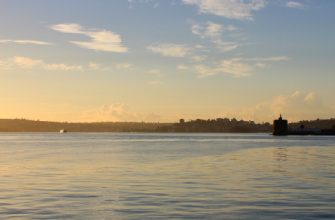
What makes Lake Scott extraordinary is its setting. In a region of flat, dry shortgrass prairie, the land suddenly drops into a wooded canyon carved by Ladder Creek, fed by natural springs that keep the lake clear and cool. Steep bluffs, craggy outcrops and shady cottonwoods make it feel more like the Rockies’ foothills than western Kansas. It’s a landscape that has drawn people for centuries – and still feels like a secret.
Fishing Lake Scott
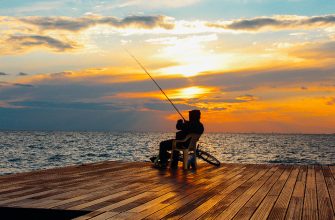
The spring-fed water supports a varied, year-round fishery: largemouth bass, walleye, channel catfish, crappie and sunfish. Best of all, KDWP stocks rainbow trout through the winter, giving western Kansas a rare cold-water trout fishery – bring a trout permit if you plan to keep them. Work the points and bluff edges for bass and walleye, and the stocked areas near the dam for winter trout. Anglers 16 to 74 need a Kansas fishing license; check the current KDWP report and the trout-stocking schedule before you go.
Camping, cabins and history
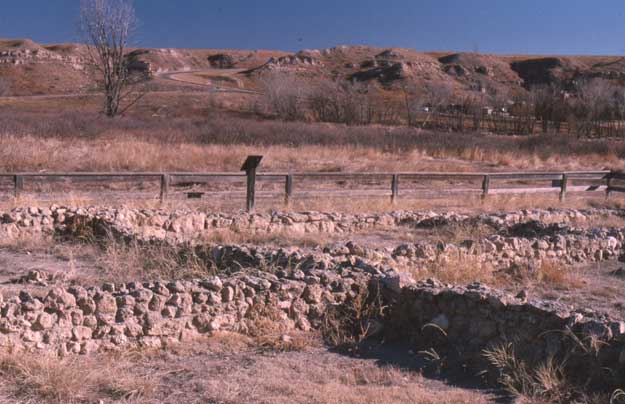
The park is set up for a real stay: 55 utility campsites (some with 50-amp service and water), 100 primitive sites and rentable cabins, suiting everyone from RV travelers to tent campers. Beyond the lake, don’t miss El Cuartelejo – the northernmost pueblo ruins in the United States, built around 1664 and now a National Historic Landmark – along with the historic Steele Homestead and the cool, clear Big Springs. A Kansas state park vehicle permit is required, with camping and cabins reservable through the state park system. As with any warm lake, watch for summer blue-green algae advisories.
Getting there and what’s nearby
The park is north of Scott City in Scott County, western Kansas, reached via U.S. 83 and K-95. It’s a worthwhile destination on any western-Kansas road trip. For a big reservoir back to the east, the scenic Cedar Bluff Reservoir is the nearest large water, and the canyon-set Clark State Fishing Lake makes another scenic southwest-Kansas pairing.
Frequently asked questions
How big is the lake at Lake Scott State Park?
The spring-fed lake is about 100 acres, set within a 1,020-acre park in a canyon of Scott County, western Kansas.
Can you catch trout at Lake Scott?
Yes – KDWP stocks rainbow trout in the winter months, a rare cold-water fishery for western Kansas, alongside bass, walleye, catfish, crappie and sunfish year-round.
Does Lake Scott State Park have cabins and camping?
Yes – 55 utility campsites (some with 50-amp and water), 100 primitive sites and rentable cabins.
What is El Cuartelejo?
El Cuartelejo, within the park, is the northernmost pueblo in North America – built around 1664 and designated a National Historic Landmark in 1964.
Where is Lake Scott State Park?
In Scott County in western Kansas, north of Scott City, reached via U.S. 83 and K-95.
Related: explore more small lakes of Kansas, or nearby waters like Cedar Bluff and Clark State Fishing Lake – or head back to the Kansas Lakes Database.