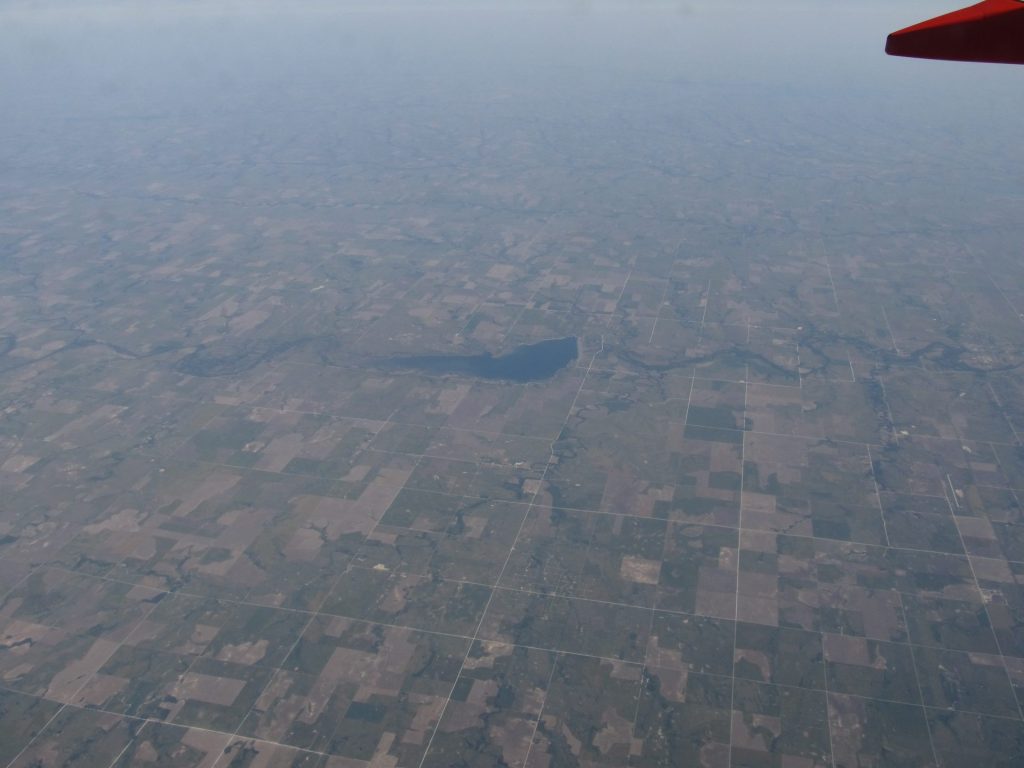
Webster is a fisherman’s reservoir on the dry side of Kansas. Set on the South Fork of the Solomon River near Stockton in Rooks County, this 3,700-acre lake (when it’s full) is best known for its wiper and walleye fishing and a big, quiet state park – and for being at the mercy of the western Kansas weather, since it can drop a long way in drought. When the water’s up, it’s one of the better fisheries in the northwest; either way, the surrounding wildlife area and the remarkable Nicodemus historic site next door make the trip worthwhile.
This guide covers all of Webster – the fishing, the state park and camping, the wildlife area, the water-level reality and the history nearby. It’s part of our growing Kansas Lakes Database.
- Webster Reservoir at a glance
- A reservoir at the mercy of the weather
- Fishing Webster Reservoir
- Is Webster safe to swim? Blue-green algae
- Webster State Park and camping
- The wildlife area and Nicodemus
- Getting there and what’s nearby
- Know before you go
- Frequently asked questions
- How big is Webster Reservoir?
- What fish can you catch at Webster Reservoir?
- Why is Webster Reservoir’s water level so low sometimes?
- Can you camp at Webster Reservoir?
- What is Nicodemus near Webster?
- Where is Webster Reservoir?
Webster Reservoir at a glance
- Size: ~3,767 acres at full pool with about 27 miles of shoreline (often well below full in dry years); maximum depth ~42 feet
- Location: Rooks County, north-central Kansas, near Stockton off U.S. 24
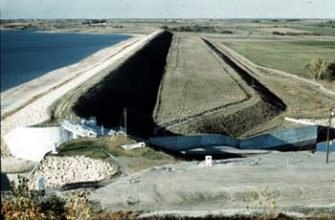
- Built: dam on the South Fork Solomon River, completed in 1956 by the U.S. Bureau of Reclamation (irrigation and flood control)
- Top fish: wiper, walleye, white bass, crappie, largemouth and smallmouth bass, channel and flathead catfish, stocked rainbow trout
- State park: Webster State Park – the Oldtown (north) and Goose Flat (south) areas, with camping and beaches
- Known for: wiper and walleye fishing, an 8,000-acre wildlife area, and nearby Nicodemus
A reservoir at the mercy of the weather
The Bureau of Reclamation dammed the South Fork Solomon River here in 1956 to store irrigation water for the dry plains of northwest Kansas – and that job, in a region that swings between flood and drought, defines the lake. In wet years Webster fills and fishes beautifully; in dry stretches it can fall many feet below conservation pool, pulling the shoreline back and closing ramps. It’s the single most important thing to check before you hitch up a boat. None of that stops the locals, who know that a smaller Webster often concentrates the fish.
Fishing Webster Reservoir
Wiper (the white-bass/striped-bass hybrid) is the star here – they’re plentiful and grow to bragging size, and guides chase them all summer – closely followed by walleye (note the 15-inch length limit). Round it out with white bass, crappie, largemouth and smallmouth bass, and good channel and flathead catfish, plus stocked rainbow trout in the cooler months.
- Wiper & white bass: chase surface-feeding schools in open water on summer mornings and evenings.
- Walleye: troll spinners tipped with live bait or deep-diving crankbaits along the points and channel; mind the 15-inch limit.
- Crappie & catfish: find crappie on brush and the old creek channel, and channel and flathead cats on the flats.
Anglers 16 to 74 need a Kansas fishing license; check the latest KDWP fishing report and limits before you go.
Is Webster safe to swim? Blue-green algae
Webster has swim beaches, but its shallow, fertile, often-low water makes it prone to blue-green algae (cyanobacteria) blooms in summer – and low water can concentrate them. KDHE posts Watch and Warning advisories; during a Watch, boating and fishing are fine but avoid swimming near visible scum, and during a Warning keep children and dogs out of the water. Check the current KDHE advisory before you swim.
Webster State Park and camping
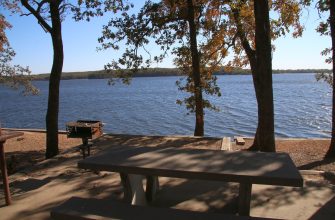
Webster State Park covers about 880 acres in two sections – the Oldtown Area on the north shore and the Goose Flat Area on the south – with utility and primitive campsites, cabins, modern showers, swim beaches, boat ramps and hiking trails. It’s a quiet, uncrowded park with big western-Kansas skies. Reserve sites through the Kansas State Parks system, remember the state-park vehicle permit, and confirm which ramps are usable at the current water level before you arrive.
The wildlife area and Nicodemus
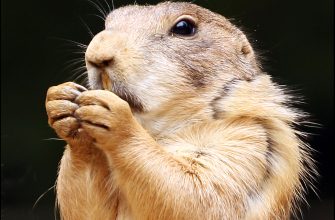
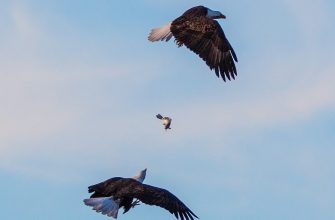
The lake is wrapped by the Webster Wildlife Area, more than 8,000 acres of grassland, timber and marsh managed for wildlife and open to hunting in season – excellent for waterfowl, deer, pheasant and birding. And just to the west lies one of the most significant historic sites in Kansas: Nicodemus National Historic Site, the only remaining western town established by African Americans during the Reconstruction era, now preserved by the National Park Service. Pairing the lake with a visit to Nicodemus makes for a memorable, meaningful trip.
Getting there and what’s nearby
Webster sits just off U.S. 24 near Stockton, the Rooks County seat, in north-central Kansas – a long drive from anywhere, but easy once you’re on US-24 between Hill City and Osborne. Besides Nicodemus, the region offers classic high-plains scenery and small-town Kansas hospitality.
Know before you go
- Check the water level first. Webster can run far below full pool in drought, closing ramps and pulling back the shoreline – confirm conditions before towing a boat.
- State park permit: a Kansas state-park vehicle permit is required for Webster State Park (daily or annual).
- Fishing license: anglers 16-74 need a Kansas fishing license; note the 15-inch walleye limit.
- Algae: check the current KDHE blue-green algae advisory before swimming, and avoid visible scum.
- Remote: stock up in Stockton or Hill City – services at the lake are limited.
Frequently asked questions
How big is Webster Reservoir?
About 3,767 acres at full pool with roughly 27 miles of shoreline, in Rooks County in north-central Kansas – though it often runs well below full in dry years.
What fish can you catch at Webster Reservoir?
Wiper is the star, plentiful and large, along with walleye (15-inch limit), white bass, crappie, largemouth and smallmouth bass, channel and flathead catfish, and stocked rainbow trout.
Why is Webster Reservoir’s water level so low sometimes?
Webster is an irrigation reservoir on the dry plains of northwest Kansas, so in drought it can fall many feet below conservation pool, pulling back the shoreline and closing ramps. Always check the current level before towing a boat.
Can you camp at Webster Reservoir?
Yes – Webster State Park has utility and primitive campsites, cabins, swim beaches and boat ramps across its Oldtown and Goose Flat areas.
What is Nicodemus near Webster?
Nicodemus National Historic Site, just west of the lake, is the only remaining western town established by African Americans during the Reconstruction era, preserved by the National Park Service.
Where is Webster Reservoir?
In Rooks County in north-central Kansas, just off U.S. 24 near Stockton.
Related: explore more of the largest lakes in Kansas – including nearby Lovewell Reservoir, Cedar Bluff Reservoir and Wilson Lake – or head back to the Kansas Lakes Database.