Toronto Lake has something no other Kansas lake can claim: a forest older than the state itself. Set in the rolling Verdigris River valley of southeast Kansas, this 2,800-acre reservoir is wrapped by Cross Timbers State Park, where ancient post oaks more than 300 years old still stand – a rare remnant of the Cross Timbers woodland and one of the oldest stands of trees in Kansas. Add a quietly excellent crappie and white-bass fishery, a unique paddling trail and 16 miles of hiking, and Toronto is a small, scenic lake with an outsized sense of place.
This guide covers all of Toronto – the ancient Cross Timbers oaks, the fishing, the trails and the Blue Water paddling route, and the camping at Cross Timbers State Park. It’s part of our growing Kansas Lakes Database.
- Toronto Lake at a glance
- The ancient oaks of the Cross Timbers
- Trails and the Blue Water paddling route
- Fishing Toronto Lake
- Is Toronto Lake safe to swim? Blue-green algae
- Cross Timbers State Park and camping
- Getting there and what’s nearby
- Know before you go
- Frequently asked questions
- What is Cross Timbers State Park known for?
- How big is Toronto Lake?
- What fish can you catch at Toronto Lake?
- Is there a paddling trail at Toronto Lake?
- Can you camp at Toronto Lake?
- Where is Toronto Lake?
Toronto Lake at a glance
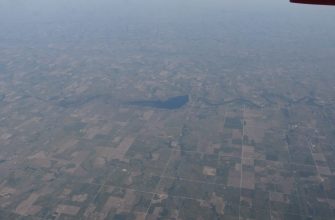
- Size: ~2,800 acres in the Verdigris River valley of southeast Kansas; maximum depth about 24 feet
- Location: Woodson County, about 4 miles southeast of Toronto and 12 miles west of Yates Center
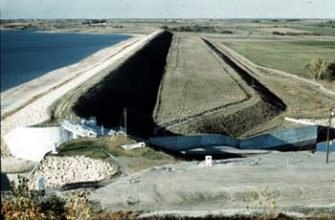
- Built: dam on the Verdigris River, completed about 1960 by the U.S. Army Corps of Engineers
- Top fish: white crappie, white bass, channel and flathead catfish, largemouth bass, walleye, bluegill
- State park: Cross Timbers State Park, with the Toronto Point cabins and ~16 miles of trails
- Known for: the ancient post-oak Cross Timbers forest and great crappie fishing
The ancient oaks of the Cross Timbers
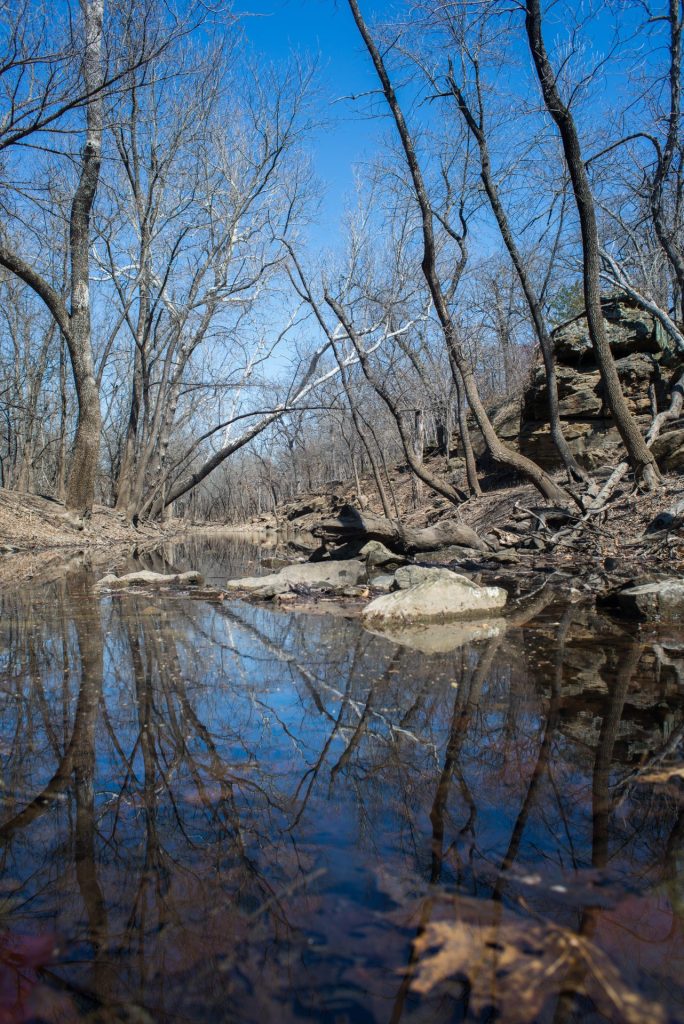
This is what sets Toronto apart. The hills around the lake hold a surviving piece of the Cross Timbers – a historic belt of gnarled, slow-growing post oak and blackjack oak woodland that once stretched from Kansas into Texas and stopped many a wagon train cold. Because the trees are small, twisted and commercially useless, loggers passed them by, and some have simply kept growing. Researchers who core-sampled the old oaks here found many more than 200 years old, with the five oldest dating to the 1720s and 1730s – meaning these trees were already a century old when Kansas became a state. The park’s Ancient Trees of the Cross Timbers Trail, a one-mile interpretive loop, walks you right through them; it’s a genuinely moving place, and the area is recognized as a research natural area for exactly that reason.
Trails and the Blue Water paddling route
Cross Timbers State Park packs roughly 16 miles of trails into its hills for hikers and bikers: the short Oak Ridge (½ mile), Blackjack (1 mile) and Ancient Trees (1 mile) loops, the Overlook Trail (1¼ miles) with its lake views, and the long Chautauqua Trail (about 11 miles) for a real day hike through oak savanna and prairie. On the water, the lake’s Blue Water Trail is a marked canoe-and-kayak route that reaches quiet coves and backwaters bigger boats can’t, a lovely way to see the forested shoreline up close.
Fishing Toronto Lake
Toronto fishes well above its size. White crappie (to 15 inches) and white bass (to 18 inches) lead the way, the lake’s many brush piles also hold largemouth bass (to 20 inches), bluegill and sunfish, and the catfishing is excellent – channel cats to three feet and big flatheads. The Verdigris River and Walnut Creek above the lake fish well too, and walleye round out the list.
- Crappie: fish the brush piles (mapped by KDWP) and timber in spring.
- White bass: chase the schools in open water and up the river arm.
- Catfish: the flats, the river and the backwaters produce big channels and flatheads.
Anglers 16 to 74 need a Kansas fishing license; check the latest KDWP fishing report and limits before you go.
Is Toronto Lake safe to swim? Blue-green algae
Toronto has a swim beach and is a pleasant summer lake, but like other fertile Kansas reservoirs it can develop blue-green algae (cyanobacteria) blooms in warm weather. KDHE posts Watch and Warning advisories; during a Watch, boating and fishing are fine but avoid swimming near visible scum, and during a Warning keep children and dogs out of the water. Check the current KDHE advisory before you swim.
Cross Timbers State Park and camping
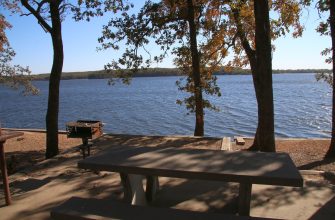
Cross Timbers State Park is the base for a Toronto trip. Its shaded campgrounds offer full and partial RV hookups and primitive sites, all served by modern showers, and the rustic cabins in the Toronto Point area sit right on the water. The surrounding Toronto Wildlife Area is open to hunting in season. It’s a quiet, woodsy park – exactly the kind of place to slow down for a weekend. Reserve sites and cabins through the Kansas State Parks system and remember the state-park vehicle permit.
Getting there and what’s nearby
Toronto sits in the rolling country of southeast Kansas, about 12 miles west of Yates Center off Highway 105, and roughly an hour and a half from Wichita or the Tulsa area. It pairs naturally with its sister reservoir, Fall River Lake, a short drive south, and the scenic Elk City Lake isn’t far – a three-lake loop through the Chautauqua Hills makes a great long weekend.
Know before you go
- State park permit: a Kansas state-park vehicle permit is required for Cross Timbers State Park (daily or annual).
- Fishing license: anglers 16-74 need a Kansas fishing license.
- Ancient Trees: stay on the trail to protect the old oaks and the research natural area.
- Algae: check the current KDHE blue-green algae advisory before swimming, and avoid visible scum.
- Water level: as a flood-control reservoir Toronto rises and falls – check current conditions before launching.
Frequently asked questions
What is Cross Timbers State Park known for?
Its ancient post-oak forest. Cross Timbers State Park, on Toronto Lake, protects a surviving stand of the Cross Timbers woodland with post and blackjack oaks more than 300 years old – some dating to the 1720s – making it one of the oldest woodlands in Kansas, with an interpretive Ancient Trees trail.
How big is Toronto Lake?
About 2,800 acres, in Woodson County in southeast Kansas, with a maximum depth around 24 feet.
What fish can you catch at Toronto Lake?
White crappie and white bass are the headliners, along with largemouth bass, big channel and flathead catfish, bluegill and walleye. The lake’s brush piles and the Verdigris River arm fish especially well.
Is there a paddling trail at Toronto Lake?
Yes – the Blue Water Trail is a marked canoe-and-kayak route that reaches quiet coves and backwaters of the lake that larger boats can’t easily access.
Can you camp at Toronto Lake?
Yes – Cross Timbers State Park has shaded RV and primitive campsites with modern showers, plus rustic cabins on the water in the Toronto Point area.
Where is Toronto Lake?
In Woodson County in southeast Kansas, about 12 miles west of Yates Center and a few miles southeast of the town of Toronto.
Related: explore more of the largest lakes in Kansas – including its sister lake Fall River Lake, plus Elk City Lake and John Redmond Reservoir – or head back to the Kansas Lakes Database.