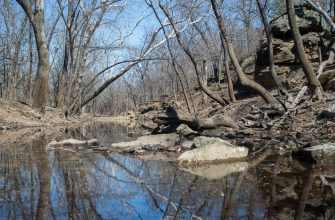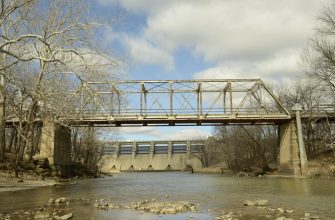
Kirwin is a fishing lake wrapped inside something rarer: Kansas’ first national wildlife refuge. Out in Phillips County on the North Fork of the Solomon River, this 5,000-acre reservoir and the 10,778-acre refuge around it are one of the last great feeding stops for waterfowl migrating across the central plains – in a good fall, up to a million ducks and geese use it, along with American white pelicans, nesting herons and the bald eagles that follow them. For anglers it’s a year-round walleye and wiper water; for birders it’s one of the best days out in Kansas. Just know going in: this is a refuge, so there’s no camping.
This guide covers all of Kirwin – the fishing, the wildlife and birding, how to visit a refuge (and where to stay), and the water-level reality. It’s part of our growing Kansas Lakes Database.
- Kirwin Reservoir at a glance
- Kansas’ first wildlife refuge
- Wildlife and birding
- Fishing Kirwin Reservoir
- Water level and blue-green algae
- Visiting the refuge: no camping
- Getting there and what’s nearby
- Know before you go
- Frequently asked questions
- Is Kirwin the first national wildlife refuge in Kansas?
- What fish can you catch at Kirwin Reservoir?
- Can you camp at Kirwin Reservoir?
- What wildlife can you see at Kirwin?
- Where is Kirwin Reservoir?
Kirwin Reservoir at a glance
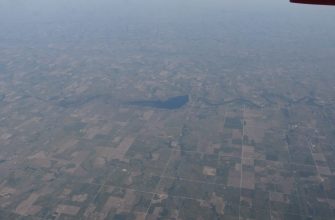
- Size: ~5,000 acres with about 35 miles of shoreline; maximum depth ~49 feet (often low in drought)
- Location: Phillips County, north-central Kansas – about 11 miles southeast of Phillipsburg, near Kirwin
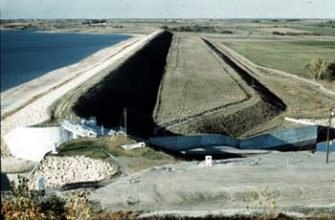
- Built: Kirwin Dam on the North Fork Solomon River, completed in the mid-1950s by the U.S. Bureau of Reclamation
- Refuge: Kirwin National Wildlife Refuge – the first NWR authorized in Kansas (1954), managed by the U.S. Fish & Wildlife Service
- Top fish: walleye, wiper, crappie, white bass, largemouth and smallmouth bass, channel and flathead catfish, drum
- Known for: waterfowl migration, eagles and pelicans, and walleye fishing – but no camping
Kansas’ first wildlife refuge
When the Bureau of Reclamation dammed the North Fork Solomon River in the early 1950s, the U.S. Fish & Wildlife Service moved to protect the new lake and the country around it, and in 1954 Kirwin became the first national wildlife refuge authorized in Kansas. The refuge sits where the tallgrass prairie of the east meets the shortgrass plains of the west, a transition zone of wetland, grassland and cropland that’s enormously productive for wildlife – more than 300 species of birds, mammals, reptiles, amphibians and fish, including four federally threatened or endangered birds. Its real claim to fame is migration: Kirwin is one of the last major feeding stops for waterfowl moving between their southern wintering grounds and their northern breeding range.
Wildlife and birding
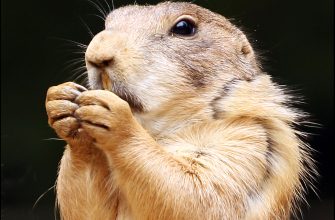
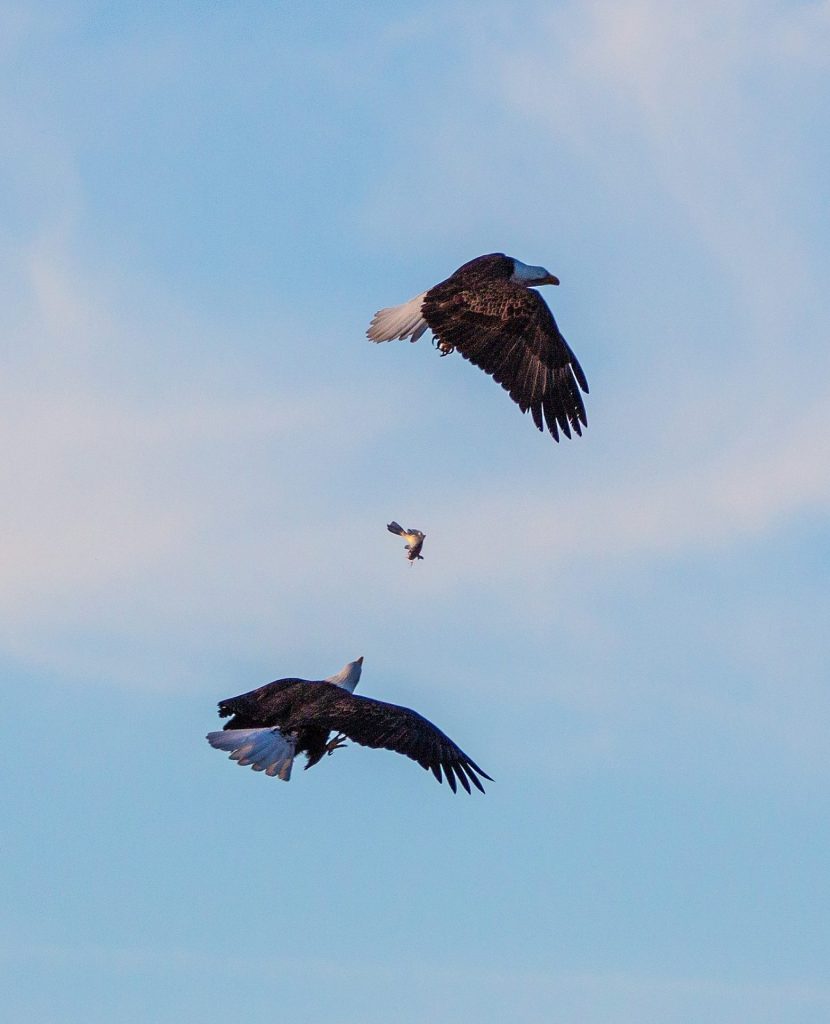
Kirwin is a birder’s lake. Through fall and into early winter, 10,000-plus migrating waterfowl build on the lake – in peak years far more – and with them come bald eagles, American white pelicans, great blue herons and double-crested cormorants nesting in the flooded timber, and even interior least terns. The surrounding prairie holds greater prairie chickens and black-tailed prairie dogs. Drive the refuge’s wildlife auto tour, stop at the visitor center and museum, and time your visit for early morning or just before sunset, when the birds and animals are most active. Bring binoculars and a long lens.
Fishing Kirwin Reservoir
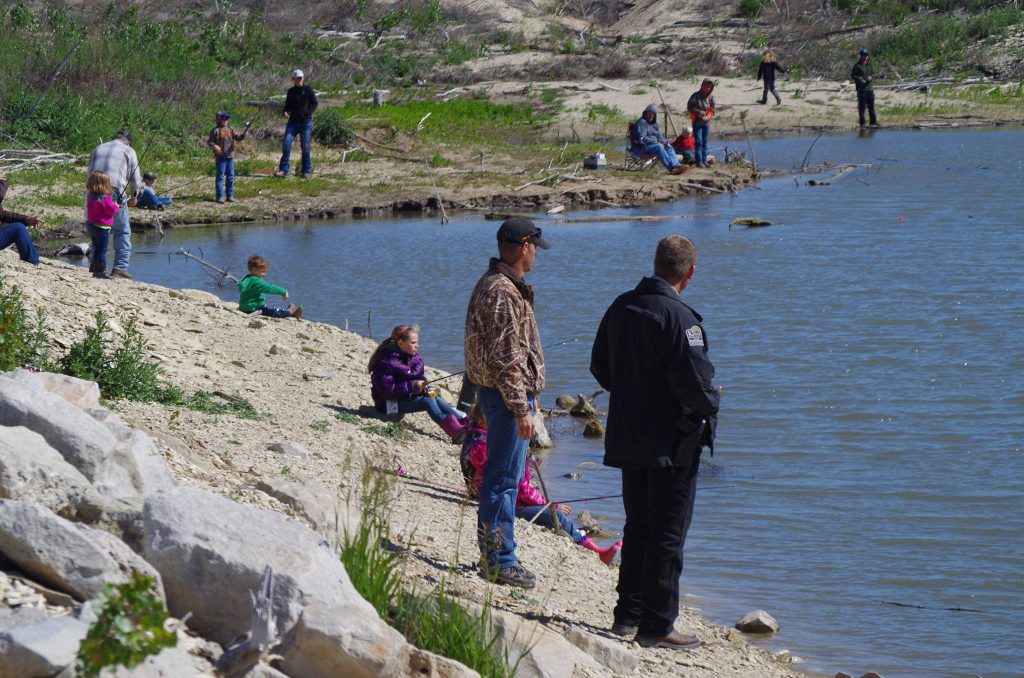
Kirwin fishes year-round, and walleye and wiper lead the way, backed by crappie, white bass, largemouth and smallmouth bass, and good channel and flathead catfish, with drum in the mix. With 35 miles of shoreline and water to 49 feet (when it’s full), there’s plenty to work – though low water in drought years can limit where you launch.
- Walleye: work the points, the dam and the old channel at low light.
- Wiper & white bass: chase surface-feeding schools in open water in summer.
- Crappie & catfish: find crappie on brush and timber, and channel and flathead cats on the flats.
Anglers 16 to 74 need a Kansas fishing license; check the latest KDWP fishing report and limits, and the refuge’s own fishing regulations, before you go.
Water level and blue-green algae
Two cautions. First, water level: Kirwin is on the dry plains and can drop well below conservation pool in drought, which limits boating access – check current conditions before towing a boat. Second, like other shallow, fertile prairie lakes it can develop blue-green algae blooms in summer; check the current KDHE advisory before any water contact and keep pets out of visible scum.
Visiting the refuge: no camping
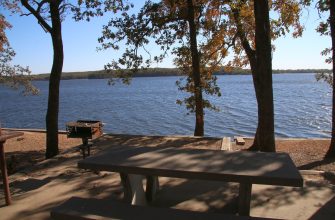
Because Kirwin is a national wildlife refuge, the rules are a little different from a state park. Camping is not allowed on the refuge, but it’s open 24 hours for day use, and you can fish, hunt (in season), hike, bike, drive the auto tour and watch wildlife. For lodging, base yourself in Phillipsburg a short drive north, which has motels, restaurants and groceries. Always follow refuge regulations and seasonal closures that protect nesting and migrating birds.
Getting there and what’s nearby
Kirwin is about 11 miles southeast of Phillipsburg off U.S. 183 in north-central Kansas. Pair it with nearby Webster Reservoir to the south for a two-lake fishing-and-birding trip, and enjoy the wide-open high-plains scenery in between.
Know before you go
- No camping on the refuge – it’s day-use only; stay in Phillipsburg.
- Fishing license: anglers 16-74 need a Kansas fishing license; follow refuge fishing rules too.
- Check the water level – drought can limit boat-ramp access.
- Algae: check the current KDHE blue-green algae advisory before swimming or wading.
- Respect closures: parts of the refuge close seasonally to protect wildlife – obey posted signs.
Frequently asked questions
Is Kirwin the first national wildlife refuge in Kansas?
Yes – Kirwin National Wildlife Refuge, established in 1954 around Kirwin Reservoir, was the first national wildlife refuge authorized in Kansas. It’s managed by the U.S. Fish & Wildlife Service.
What fish can you catch at Kirwin Reservoir?
Walleye and wiper are the headliners, along with crappie, white bass, largemouth and smallmouth bass, channel and flathead catfish and drum. Fishing is year-round.
Can you camp at Kirwin Reservoir?
No – camping is not allowed on the national wildlife refuge. It’s open 24 hours for day use (fishing, hunting, hiking, the wildlife drive); for lodging, stay in nearby Phillipsburg.
What wildlife can you see at Kirwin?
In migration, up to a million ducks and geese, plus bald eagles, American white pelicans, herons and cormorants, interior least terns, greater prairie chickens and black-tailed prairie dogs. Dawn and dusk are best.
Where is Kirwin Reservoir?
In Phillips County in north-central Kansas, about 11 miles southeast of Phillipsburg near the town of Kirwin.
Related: explore more of the largest lakes in Kansas – including nearby Webster Reservoir and Lovewell Reservoir, plus Waconda Lake – or head back to the Kansas Lakes Database.