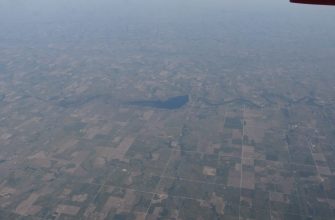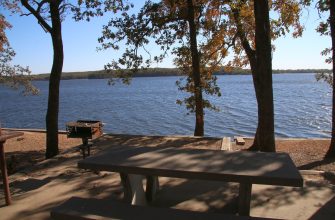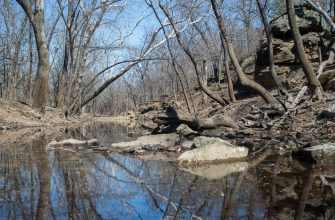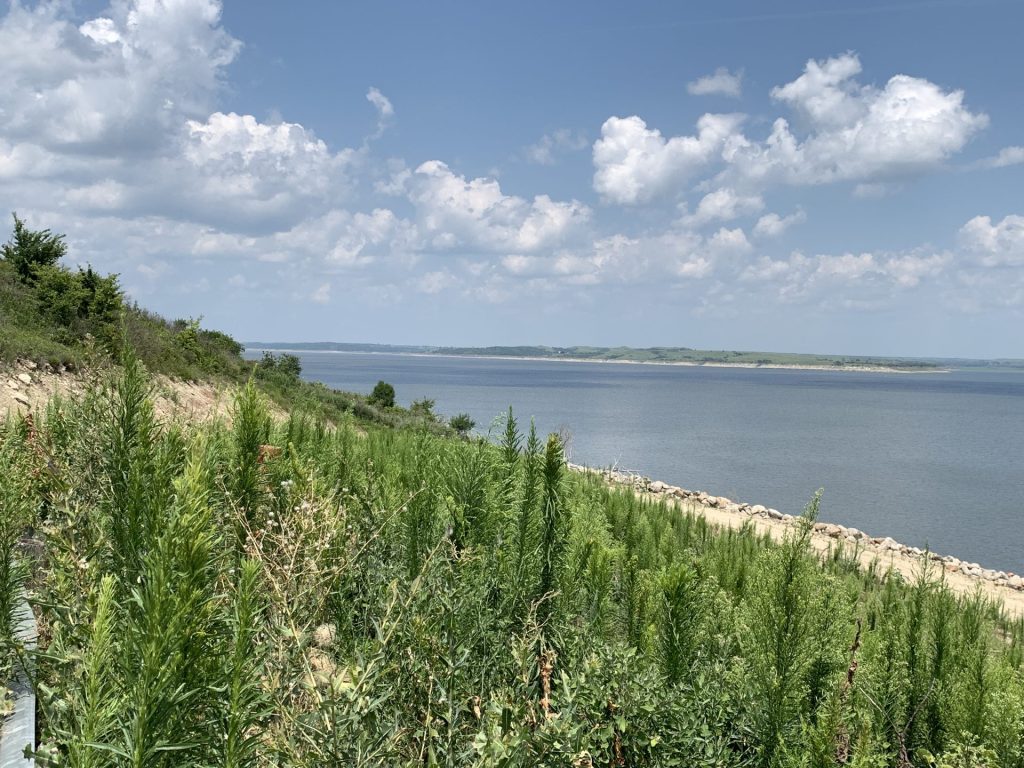
If Milford is the Fishing Capital of Kansas, Tuttle Creek is its rowdier neighbor to the east – a big, restless, often muddy reservoir that does a little of everything. At roughly 12,500 acres with about 100 miles of shoreline, it’s the second-largest lake in Kansas, tucked into the Flint Hills just five miles north of Manhattan and Kansas State University. Anglers know it for saugeye and the white-bass run at Rocky Ford; dirt-bikers know it for one of the best off-road areas in the state; and just about every K-State student has watched the sun go down over it at least once.
Tuttle has a bigger personality than most reservoirs, and a more complicated past. This guide walks through all of it – the fishing below the dam, camping at River Pond, the ORV area, the marina, the eagles, and the strange, fascinating story of “the Tubes” and the lake that Kansas argued about for thirty years before it was built. It’s part of our growing Kansas Lakes Database.
- Tuttle Creek Lake at a glance
- The lake Kansas argued about for thirty years
- Fishing Tuttle Creek Lake
- Is Tuttle Creek safe to swim? Muddy water and blue-green algae
- Boating, the marina and sailing
- The Tuttle Creek ORV area: off-road riding
- Camping at Tuttle Creek: state park, River Pond & Corps parks
- River Pond: the calm, clear side of Tuttle
- Eagles, wildlife and the outdoors
- More to do: golf, disc golf, archery & trails
- Getting there and what’s nearby
- Know before you go
- Frequently asked questions
- How big is Tuttle Creek Lake?
- Why is Tuttle Creek Lake so muddy?
- What fish can you catch at Tuttle Creek?
- Is there an off-road / ORV area at Tuttle Creek?
- Can you camp at Tuttle Creek Lake?
- Is Tuttle Creek Lake safe to swim in?
- Is there a marina and can you rent a boat?
- What is the “Little Grand Canyon” at Tuttle Creek?
- Where is Tuttle Creek Lake?
- Are there eagles at Tuttle Creek Lake?
Tuttle Creek Lake at a glance
- Size: ~12,500 acres – the second-largest lake in Kansas (after Milford Lake)
- Shoreline: ~100 miles; about 16 miles long
- Maximum depth: roughly 49 feet; a shallow, turbid, sediment-rich reservoir
- Multipurpose-pool elevation: about 1,075 feet (it rises and falls a lot – see water levels)
- Location: Pottawatomie, Riley and Marshall counties; ~5 miles north of Manhattan
- Built: dam on the Big Blue River, started 1952, closed 1959, completed 1962 (U.S. Army Corps of Engineers)
- Top fish: saugeye, white bass, wiper, crappie, channel and flathead catfish, largemouth and smallmouth bass
The lake Kansas argued about for thirty years
Few reservoirs in the country were fought over as long and as bitterly as Tuttle Creek. Congress authorized the dam in the Flood Control Act of 1938, but the Blue Valley farmers and the towns slated to go underwater spent the next two decades fighting it. What finally settled the argument was water: the Great Flood of 1951 tore through the Kansas River basin and did three-quarters of a billion dollars in damage, and the political resistance washed out with it. The Corps started the dam in 1952, diverted the Big Blue River in 1959, and closed the gates in 1962.
When the valley filled, it took whole towns with it. Four communities – Cleburne, Garrison, Cross and Stockdale – disappeared entirely, and the town of Randolph picked up and rebuilt on higher ground a few miles away. To this day the streets of new Randolph are named after the towns that drowned. It’s the kind of history that gives a lake a little weight, and a lot of locals still have feelings about it.
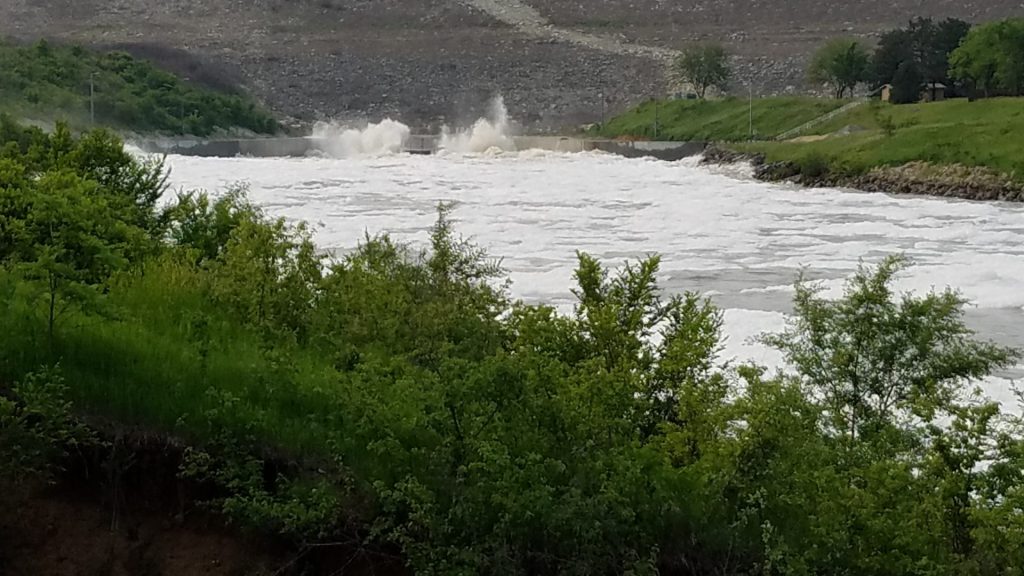
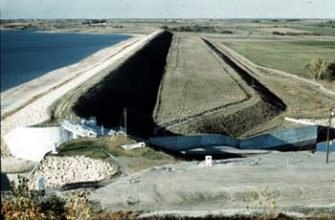
Two pieces of Tuttle lore are worth knowing before you visit. The first is “the Tubes,” the lake’s outlet conduits – when the Corps opens them during high water, the roar is something people drive out to see. The second is the dam’s quiet drama: it sits near the Humboldt fault, and after engineers realized an earthquake could threaten it, the Corps spent years and hundreds of millions of dollars on a seismic retrofit, finishing in 2010 by driving more than 350 concrete cutoff walls deep into the foundation. And in the flood of 1993, when the emergency spillway opened for the only time in its history, the rushing water scoured out a slice of bedrock now nicknamed the “Little Grand Canyon” – 300-million-year-old layers of Permian limestone and shale you can still hike out to see below the spillway.
Fishing Tuttle Creek Lake
Tuttle fishes differently than a clear reservoir, and that’s the key to catching anything here. The Big Blue River carries a heavy load of silt, so the lake runs turbid – which is exactly why saugeye (a walleye-sauger hybrid that thrives in stained water) is the headline fish, stocked by KDWP and chased hard in spring and fall. Behind it comes a deep bench: white bass, wiper, crappie, channel and flathead catfish, and largemouth and smallmouth bass.
The single most famous spot on the lake isn’t on the lake at all – it’s Rocky Ford, the tailwater just below the dam. When water is moving in spring, white bass, saugeye, wiper and catfish stack up in the current, and the bank fishing can be elbow-to-elbow and worth every minute. A few pointers:
- Spring is prime: fish the Rocky Ford tailwater and the river above the lake as white bass and saugeye run.
- Summer wipers and white bass roam open water – look for surface-feeding schools morning and evening.
- Crappie hold on brush and timber in the coves; flatheads and channel cats are strong on the upper, riverier end.
- Don’t be put off by muddy water – the fish are used to it, and so are the locals who fill coolers here.
Anglers 16 to 74 need a Kansas fishing license; pull the latest KDWP fishing report and check current creel and length limits before you go.
Is Tuttle Creek safe to swim? Muddy water and blue-green algae
Two honest answers here. First, the muddy water: Tuttle is naturally turbid – it’s a working flood-control reservoir on a silty river, slowly filling with sediment – so it rarely looks tropical, and that’s normal, not pollution. Second, the part that actually matters for safety: like other shallow, fertile Kansas reservoirs, Tuttle gets blue-green algae (cyanobacteria) blooms in summer, and KDHE issues Watch and Warning advisories for it. During a Warning, the state advises against swimming and says to keep children and dogs out of the water; boating and fishing are generally still fine. Always check the current KDHE advisory and the signs at the ramps before you get in – and if you want clearer, calmer water for the kids, head to River Pond below the dam (more on that below).
Boating, the marina and sailing
Big, open and reliably breezy, Tuttle is one of the best sailing lakes in Kansas, and on a summer weekend you’ll see sailboats, ski boats, jet skis and tubers all sharing the water. Wildcat Marina is the hub – it rents pontoons, fishing boats, kayaks, canoes and stand-up paddleboards, so you can get on the water with nothing but a swimsuit. Public boat ramps are scattered around the lake and the state park; just mind the water level, because Tuttle can swing hard and a low pool changes which ramps are usable.
The Tuttle Creek ORV area: off-road riding
This is what sets Tuttle apart from every other lake on our list. The Corps maintains two off-road riding areas here, and they draw dirt-bikers, ATV riders and 4×4 crawlers from across the region:
- Tuttle Creek ORV Area – about 310 acres of rugged Flint Hills terrain laced with trails: steep hill climbs, stepped rock ledges, ruts, mud holes, creek crossings and miles of 4×4 two-track.
- Spillway Cycle Area – about 35 acres geared to motorcycles, with trails rated easy to difficult.
You’ll need to follow Corps rules – permits, helmets, spark arrestors and posted hours – so check the current regulations before you unload. There’s nothing else quite like it at a Kansas reservoir, and it keeps Tuttle busy long after the anglers have gone home.
Camping at Tuttle Creek: state park, River Pond & Corps parks
Tuttle Creek State Park sprawls across about 1,200 acres in several units and is one of the largest, busiest parks in the Kansas system, with 700-plus campsites ranging from full-hookup pads to primitive tent spots. The two anchors are the River Pond Area and Rocky Ford, and there are 11 cabins – seven in the River Pond area and four up in Cedar Ridge – if you’d rather not sleep in a tent.
Beyond the state park, the U.S. Army Corps of Engineers runs additional lakeside campgrounds and day-use parks around the reservoir, bookable on Recreation.gov. Reserve state-park sites and cabins through the Kansas State Parks system, remember you’ll need a state park vehicle permit, and book early for summer weekends and any festival dates.
River Pond: the calm, clear side of Tuttle
If the big lake feels too rough or too muddy, River Pond is Tuttle’s friendlier half. Sitting just below the dam, it’s a smaller, calmer, clearer body of water built for families: a sandy swim beach, easy kayak and paddleboard water, a footbridge, shaded campsites and cabins, and a archery range. It’s the spot to send the kids while someone else fishes Rocky Ford a few hundred yards away.
Eagles, wildlife and the outdoors
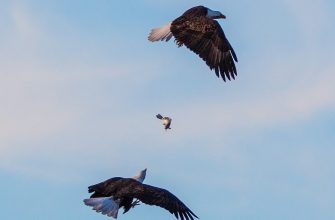
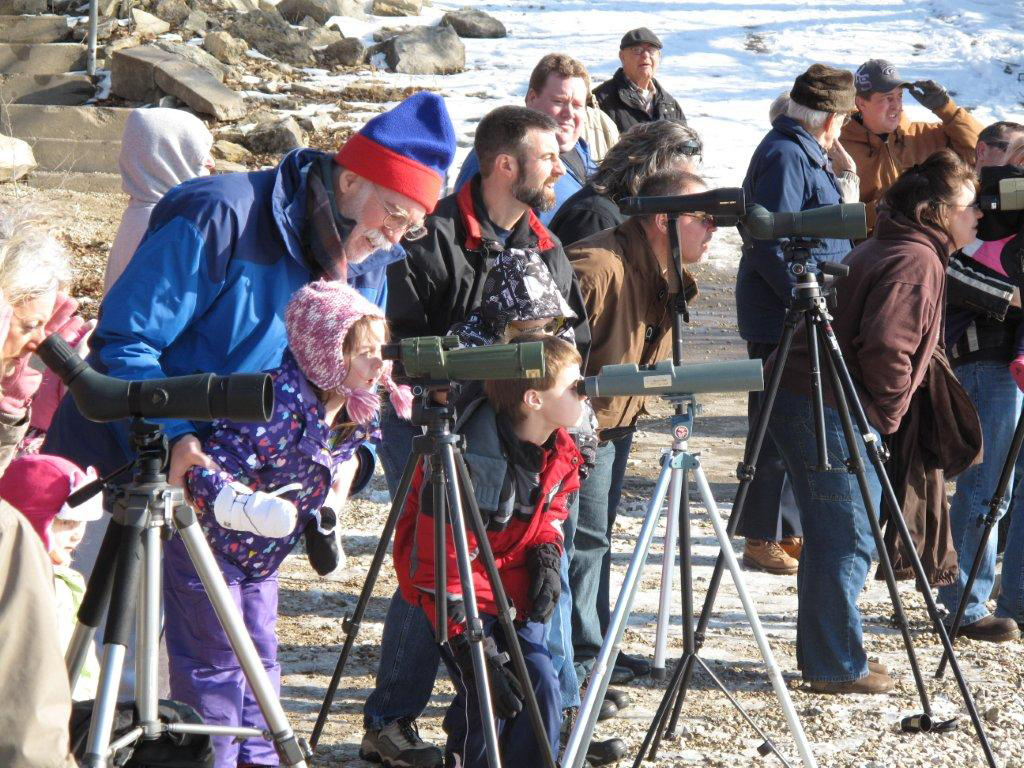
Come winter, the open water below the dam fills with bald eagles, and the Corps and KDWP host an Eagle Day each year where you can line up behind a spotting scope and watch them fish. The rest of the year the lake’s wildlife areas and nature trails are good for birding, deer and turkey, and the surrounding Flint Hills public land opens to hunting in season – check KDWP regulations before you carry a gun or bow.
More to do: golf, disc golf, archery & trails
Tuttle packs in more than water sports. There’s an 18-hole golf course and an archery range at River Pond, a public shooting range, disc golf, equestrian and hiking/nature trails, and miles of shoreline to walk. It’s genuinely a full-day-out kind of place, which is why it’s been a magnet for big events – the Country Stampede music festival called Tuttle home for two decades, and the lakeside concert tradition continues with newer festivals like Rock The Plains.
Getting there and what’s nearby
Tuttle Creek sits about 5 miles north of Manhattan on K-177, which makes it maybe 10 minutes from downtown Manhattan and K-State, around an hour and 15 minutes from Topeka, and roughly two hours from both Wichita and the Kansas City area. Build a weekend around it: Manhattan brings Aggieville, the Flint Hills Discovery Center and K-State sports; Konza Prairie and Pillsbury Crossing are short, scenic drives; and historic Fort Riley is just down the road.
Know before you go
- State park permit: a Kansas state-park vehicle permit is required for Tuttle Creek State Park (daily or annual), sold on site and online through KDWP.
- Fishing license: anglers 16-74 need a Kansas fishing license.
- Algae: check the current KDHE blue-green algae advisory before swimming, and keep pets away from scum.
- Water level: as a flood-control reservoir Tuttle rises and falls dramatically – check current lake data before launching, since low or high water changes ramps and closes the ORV area when it’s flooded.
- ORV rules: permits, helmets and posted hours apply at the off-road areas – read the Corps regulations first.
- Safety: no lifeguards; wear a life jacket and respect the wind, which builds fast on this open lake.
Frequently asked questions
How big is Tuttle Creek Lake?
About 12,500 acres with roughly 100 miles of shoreline, making it the second-largest lake in Kansas after Milford. It’s about 16 miles long and reaches around 49 feet deep.
Why is Tuttle Creek Lake so muddy?
It sits on the silt-heavy Big Blue River and works as a flood-control reservoir, so it’s naturally turbid and slowly filling with sediment. The muddy color is normal, not pollution – and it’s exactly why saugeye fishing is so good here. For clearer water, try River Pond below the dam.
What fish can you catch at Tuttle Creek?
Saugeye is the signature fish, along with white bass, wiper, crappie, channel and flathead catfish, and largemouth and smallmouth bass. The Rocky Ford tailwater below the dam is the most famous spot, especially during the spring white-bass run.
Is there an off-road / ORV area at Tuttle Creek?
Yes – two of them. The Tuttle Creek ORV Area covers about 310 acres of rugged 4×4, ATV and dirt-bike terrain, and the Spillway Cycle Area adds about 35 acres of motorcycle trails. Corps permits and helmets are required.
Can you camp at Tuttle Creek Lake?
Yes. Tuttle Creek State Park has 700-plus campsites and 11 cabins across the River Pond and Cedar Ridge areas, and the Army Corps of Engineers runs additional lakeside parks bookable on Recreation.gov.
Is Tuttle Creek Lake safe to swim in?
Usually, but check the current KDHE blue-green algae advisory first and avoid any visible scum, especially with kids and dogs. The muddy color itself is normal. River Pond’s swim beach offers calmer, clearer water below the dam.
Is there a marina and can you rent a boat?
Yes – Wildcat Marina rents pontoons, fishing boats, kayaks, canoes and paddleboards, and Tuttle is one of the best sailing lakes in Kansas.
What is the “Little Grand Canyon” at Tuttle Creek?
When the emergency spillway opened during the 1993 flood, the rushing water scoured out layers of 300-million-year-old Permian rock below the spillway. The exposed formation is nicknamed the Little Grand Canyon and you can hike to see it.
Where is Tuttle Creek Lake?
In northeast Kansas, about five miles north of Manhattan on K-177, in the Flint Hills – roughly 10 minutes from Kansas State University.
Are there eagles at Tuttle Creek Lake?
Yes – bald eagles gather below the dam in winter, and the Corps and KDWP host an annual Eagle Day with spotting scopes.
Related: explore more of the largest lakes in Kansas – including Milford Lake – or head back to the Kansas Lakes Database.