Lake Olathe is a 170-acre lake on the west side of Olathe, Kansas, with paved trails, fishing access and a summer swimming beach. A good visit starts with choosing the right side: head east for the beach and nature playground, or west to launch your own kayak, paddleboard or boat.
Beach status checked September 10, 2026: the City of Olathe lists The Beach as closed for the season. The park, trails and other facilities have their own schedules. Check the official beach page for the next opening announcement before buying tickets or planning to swim.
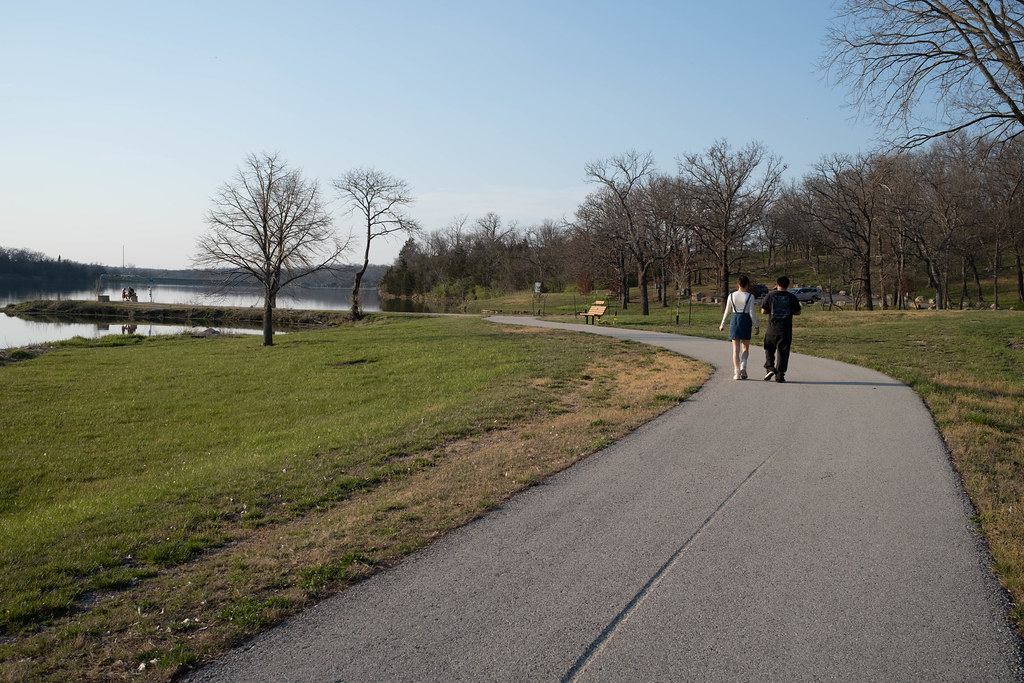
Lake Olathe at a glance
- Lake: 170 acres; the city also describes 258 acres of surrounding community park space.
- Park hours: 6 a.m.–10 p.m. daily.
- Boating hours: 6 a.m.–9 p.m.
- Free Spray Ground: May 1–October 1, 10 a.m.–8 p.m., subject to operating notices.
- Trails: four miles of paved shared-use paths, plus playgrounds and an 18-hole disc golf course.
Directions, parking and boat access
The city’s park page links access directions from Dennis Avenue and Santa Fe Street via Ward Cliff Drive and Lakeshore Drive. Choose parking near your activity; a generic lake pin may put you across the water from it.
- East side: The Beach address is 445 S. Ward Cliff Drive. This side also has Eagles Landing, Beaver Shelter and its nature playground, and the fishing pavilion.
- West side: use Lakeshore Drive for private boats and paddlecraft. The city lists ramps, playgrounds and outdoor restrooms by Shelters 1 and 2.
What is free, and what needs a ticket?
The Spray Ground is a free attraction separate from the paid swimming beach. Trails and playgrounds give you options when the beach is closed. Do not confuse the park’s early opening time with the staffed beach’s summer hours.
The city posts the following beach admission rates, checked September 10, 2026. These describe the seasonal facility; they do not mean it is open now.
| Age | Olathe resident | Non-resident |
|---|---|---|
| 3–61 | $10 | $12 |
| 62+ | $6 | $6 |
| 2 and under | Free | Free |
The floating Aquapark adds $10 per person per hour to beach admission. Marina rentals add $5 per 30 minutes. Those extra activities are not included in the basic beach ticket. Check current prices and available sessions when the season reopens.
Swimming, the Spray Ground and family facilities
When open, The Beach has a designated swimming area, lockers, outdoor showers and an inflatable obstacle course. It has an ADA beach access mat and an aqua wheelchair. Pets, alcohol and glass are prohibited. Aquapark users must be at least 48 inches tall and wear a life jacket; it is in water, not a shallow splash pad.
The free Spray Ground and splash creek follow the separate May–October schedule above. Beaver Shelter’s nature playground offers climbing and play areas nearby. Bring sun protection and check operating notices if water play is the main reason for your trip.
Follow the city’s swimming notices and KDHE algae advisories. A report about Olathe’s treated drinking water does not tell you whether lake water is suitable for swimming.
Kayaks, paddleboards and fishing
Bringing your own craft? Launch from the west side via Lakeshore Drive. Boats are limited to 5 mph. Jet skis, water-skiing, kneeboarding and surfboarding are prohibited; Kansas boat registration and safety-equipment requirements still apply.
Renting? The seasonal beach marina rents canoes, kayaks, paddleboards and pedal boats with paid beach admission. There is also a separate self-service kayak station near the east-side fishing pavilion, available through Rent.Fun during park hours. Check its app for the actual rental price and availability; the beach marina’s $5 rate does not describe that station.
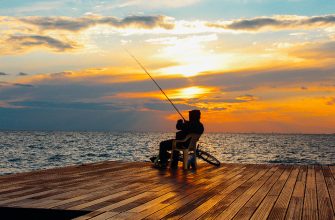
Bank anglers can use the shaded fishing pavilion. The city lists bluegill, channel catfish, largemouth bass, saugeye, wiper and white crappie. Check Kansas fishing-license requirements and current lake rules before casting; swimming docks and rental boats are not fishing platforms.
Frequently asked questions
Can you swim in Lake Olathe?
The designated beach operates seasonally. As checked September 10, 2026, the city lists it closed for the season; park opening hours do not override that closure.
Is the Lake Olathe splash pad free?
Yes. The Spray Ground is free and normally operates May 1–October 1, 10 a.m.–8 p.m. It is separate from the paid swimming beach.
Can you camp at Lake Olathe?
Plan Lake Olathe as a day visit: the city lists park hours of 6 a.m.–10 p.m. and no campground booking. For an overnight lake trip, look at Hillsdale State Park’s designated campsites.
Compare nearby Hillsdale Lake, Gardner Lake and Clinton Lake, browse small lakes of Kansas, or return to the Kansas Lakes Database.