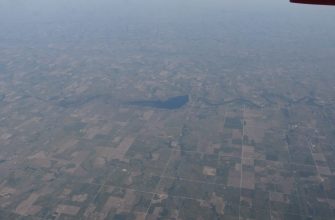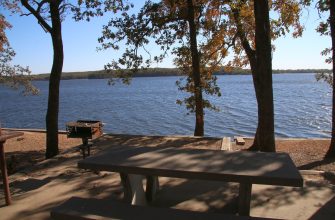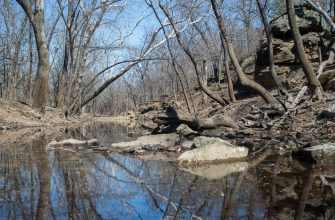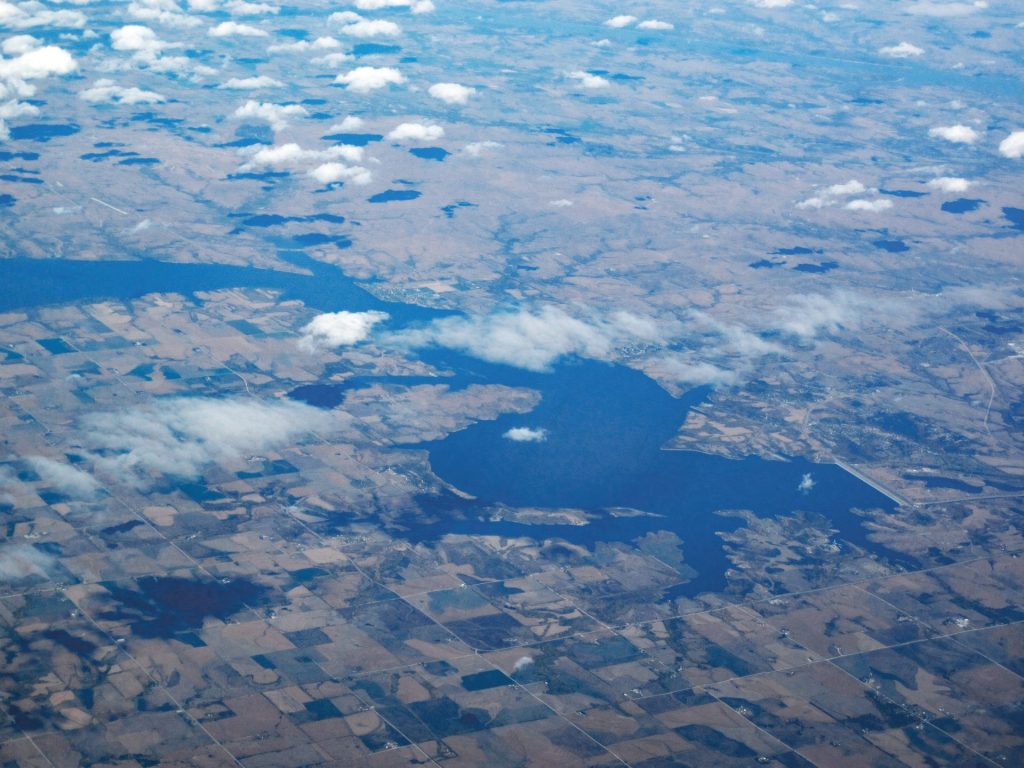
Kansans like to call Milford the “Fishing Capital of Kansas,” and for once the slogan does most of the heavy lifting on its own. At roughly 15,700 acres with about 163 miles of shoreline, Milford Lake is the biggest body of water in a state that wasn’t handed many lakes to begin with – nearly every “lake” in Kansas is a reservoir built behind a dam, and Milford is the largest of them all. It sits in the Flint Hills just northwest of Junction City, an easy hour from Manhattan and a straight shot off I-70, which is part of why it pulls anglers, campers, boaters and eagle-watchers from across the region all year.
This guide covers the whole lake, not just the postcard version: what’s biting and where to put in, the difference between the state park and the Corps campgrounds, how to read the lake’s blue-green algae advisories before you let the kids (or the dog) in the water, where the water level stands today, and the quieter corners most weekend visitors drive right past. It’s part of our growing Kansas Lakes Database.
- Milford Lake at a glance
- A lake with a backstory
- Fishing Milford Lake
- Is Milford Lake safe? Blue-green algae, zones & water quality
- Boating, ramps and the marina
- Camping at Milford Lake: state park and Corps campgrounds
- Milford State Park
- Army Corps of Engineers campgrounds
- Swimming, beaches and the splash park
- Water level and lake conditions
- Eagles, wildlife, hunting and the nature center
- Trails, biking and horseback
- Where to stay and eat
- Getting there and what’s nearby
- Know before you go
- Frequently asked questions
- How big and how deep is Milford Lake?
- Is Milford Lake safe to swim in?
- What fish can you catch at Milford Lake?
- Can you camp at Milford Lake?
- Is there a marina and can you rent a boat?
- What’s the water level at Milford Lake right now?
- Are there eagles at Milford Lake?
- Can you hunt at Milford Lake?
- Where is Milford Lake?
- Where can you stay and eat at the lake?
Milford Lake at a glance
- Size: ~15,700 acres – the largest lake in Kansas
- Shoreline: ~163 miles
- Maximum depth: about 65 feet near the dam; it’s a relatively shallow, fertile reservoir
- Conservation-pool elevation: 1,144.4 feet above sea level (it rises and falls – see water levels below)
- Location: Geary, Clay and Dickinson counties; ~6 miles northwest of Junction City
- Built: dam started in 1962 on the Republican River; reservoir filled in 1967 (U.S. Army Corps of Engineers)
- Managed by: Army Corps of Engineers (lake and dam) and Kansas Dept. of Wildlife & Parks (state park and fishery)
- Top fish: walleye, wiper, white bass, crappie, channel & blue catfish, smallmouth, largemouth and spotted bass
A lake with a backstory
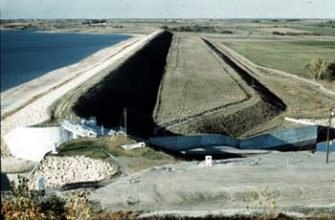
Milford wasn’t always here. The Flood Control Act of 1954 set the project in motion, and the Corps of Engineers broke ground on the dam in July 1962, plugging the Republican River about eight miles above the spot where it meets the Smoky Hill at Junction City. By January 1967 the gates were closed and the valley began to fill. Two small communities went under for good – Broughton and Alida – their residents bought out and moved so the water could rise. Broughton had two railroads, a grain elevator, a school and a church; today it lives on mostly as a piece of local folklore, and “Don’t forget Broughton” still turns up on bumper stickers around Junction City.
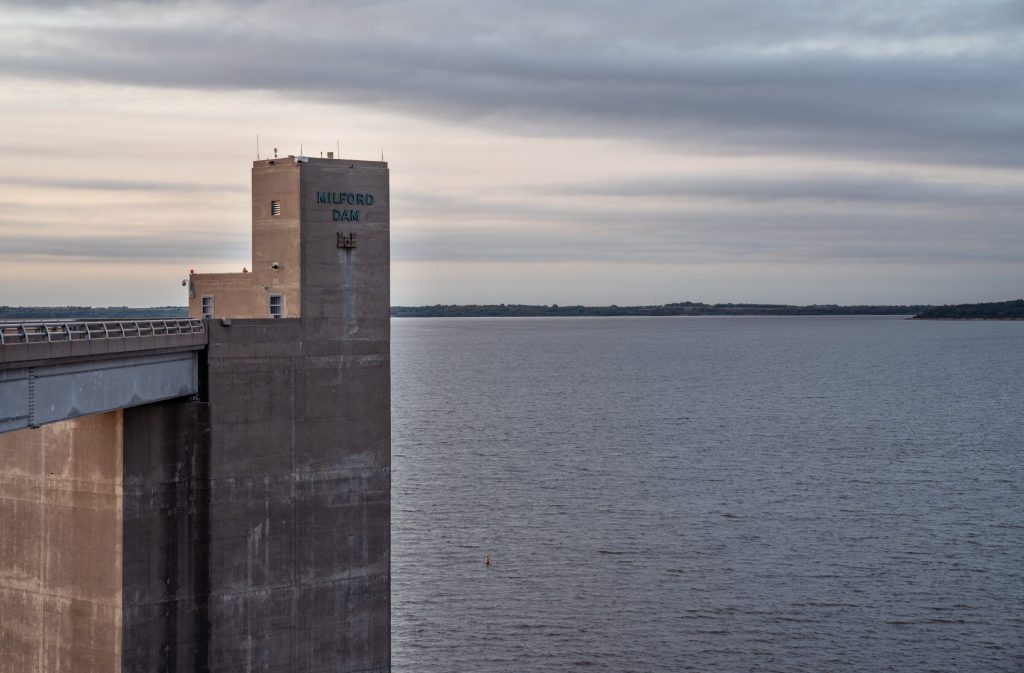
The dam earns its keep. In the great flood of 1993 it held back the worst of the Kansas River basin’s runoff, and over its life the Corps credits it with hundreds of millions of dollars in flood damage prevented downstream. There’s older history here too: along the upper lake, archaeologists excavated the Bogan Site, a Pawnee earthlodge village from the late 1700s, and a handful of the artifacts are on display at the Milford Nature Center. Not bad for a lake most people think of as “that big reservoir off the interstate.”
Fishing Milford Lake
Fishing is the reason most people make the drive, and Milford earns its nickname. The lake is best known for its walleye and wiper – the hybrid striped bass that Kansas anglers chase like a tarpon on light line – but the species list runs long: white bass, white and black crappie, channel and blue catfish, bluegill, redear sunfish, and smallmouth, largemouth and spotted bass. Milford has the pedigree to back up the slogan, too: the state-record smallmouth bass, a fish just shy of seven pounds, came out of these waters.
A few honest pointers if you’re new to the lake:
- Walleye move shallow onto the rocky points and riprap in spring, then slide deeper toward the old river channel as the water warms. Jigs tipped with nightcrawlers and trolled crankbaits both produce; the area around the dam and the deeper points hold fish in summer.
- Wipers and white bass run in roving schools – watch for surface boils and diving gulls on summer mornings and evenings, and keep a rod rigged so you can chase them when they pop up.
- Crappie stack on brush piles and around the marina docks; the timbered coves and the upper end are reliable in spring.
- Catfish are everywhere, and the shallow flats on the upper end are a good bet for blues after dark.
- The spillway and outlet below the dam are a classic Kansas bank-fishing spot when water is being released – wipers, white bass and catfish stack below the dam.
- Ice fishing happens in cold winters, mostly for crappie and walleye in the coves, but Kansas ice is never a sure thing – check it yourself before you trust it.
Before you go, pull the latest KDWP fishing report for Milford Reservoir – the department’s biologists post seasonal updates on which species are turning on, where, and on what, along with current lake conditions. Anglers 16 to 74 need a Kansas fishing license (buy it online before you cast), and it’s worth a glance at the current length and creel limits, since they change. There are fish-cleaning stations at the state park and an ADA-accessible fishing dock with a kayak launch.
Is Milford Lake safe? Blue-green algae, zones & water quality
This is the question more and more visitors type in before a summer weekend, and it deserves a straight answer. Like a lot of shallow, nutrient-rich Kansas reservoirs, Milford is prone to blue-green algae (cyanobacteria) blooms in warm weather, and it shows up on the Kansas Department of Health and Environment (KDHE) advisory list more often than most.
What makes Milford different is that the state manages it in three zones:
- Zone A – the lower lake near the dam and the state park
- Zone B – the middle of the reservoir
- Zone C – the upper end, up the Republican River arm, which gets the most inflow and nutrients and is the zone most often flagged
KDHE posts each zone at one of three levels and updates the list every Thursday during the season:
- Watch: a bloom is possible; avoid contact with visible scum, keep pets out of it, and rinse off after swimming.
- Warning: a bloom is present; the state advises against swimming, wading, skiing and jet-skiing, and says to keep children and dogs away from the water entirely. Boating and fishing are generally still considered fine – just don’t swallow the water, clean your catch well, and skip the scum.
- No advisory: nothing currently reported for that zone.
The practical takeaway: a warning in Zone C doesn’t mean the whole lake is closed – the swimming beach and campgrounds down in Zone A may be perfectly fine the same week. Dogs are the real concern; cyanotoxins have killed dogs that drank lake water or licked algae off their fur, so don’t let yours wade into green, paint-like water. Always check the current KDHE advisory (and the signs at the ramps) before you swim, and when in doubt, stay out.
Boating, ramps and the marina
With this much open water, Milford is as much a boating and sailing lake as a fishing hole – you’ll see everything from bass boats to sailboats leaning into the steady Kansas wind. There are 14 public boat ramps spread around the shoreline for launching boats, canoes and kayaks, so you’re rarely far from a place to put in.
The hub of activity is the full-service marina at Milford State Park. It sells gas, live bait, tackle, food and drinks, and rents pontoons if you want a day on the water without towing your own rig; there’s a fuel dock, slips, and a fish-cleaning station. A few of the park’s ramps have courtesy docks, which makes solo launching a lot less stressful, and there’s a kayak launch for paddlers. Concession and resort access (including at Acorns Resort, below) round out the options if the main marina is busy on a holiday weekend.
Camping at Milford Lake: state park and Corps campgrounds
Here’s something a lot of guides get wrong: the camping at Milford isn’t one place, it’s two systems on the same shoreline, and they book through different websites.
Milford State Park
Milford State Park covers about 1,084 acres along the southeast shore and is the natural base camp for a weekend at the lake. The park spreads its sites across several campgrounds, with a range of settings:
- ~60 sites with full utilities (water, electric, sewer)
- ~90 sites with water and electric
- about 100 primitive sites for tents and self-contained rigs
- 10 cabins for visitors who’d rather sleep with a roof and air conditioning
The park also has a splash park, playground, equestrian area, day-use shelters, shower houses and dump stations. Reserve state-park sites and cabins through the Kansas State Parks reservation system, and note you’ll need a state park vehicle permit on top of the camping fee.
Army Corps of Engineers campgrounds
Beyond the state park, the Corps of Engineers runs its own lakeside campgrounds around Milford, booked on Recreation.gov:
- Curtis Creek – one of the larger Corps parks (~80 sites), electric and water hookups, RV-friendly, dump station, on a quiet peninsula
- West Rolling Hills – electric/water sites with swimming and boating access, a mix of developed and primitive
- East Rolling Hills – near the popular swim beach
- Farnum Creek – electric/water hookups for tents and RVs in the Flint Hills terrain
- School Creek – small, budget-friendly primitive sites with a boat ramp and dock
Corps fees typically run a bit cheaper than full-hookup state-park sites, and the season generally runs spring through fall. If a campsite isn’t your speed at all, Acorns Resort on the lake offers cabins, full-hookup RV sites and an event center – a popular option for families and groups who want a few more comforts. Summer weekends and holidays book up early everywhere at Milford, especially the cabins and full-hookup sites, so reserve ahead.
Swimming, beaches and the splash park
You don’t need a boat to enjoy Milford. The lake has sandy swimming beaches – the East Rolling Hills beach is a local favorite – plus a splash park, picnic areas, shelters and plenty of shoreline to spread out on. It’s an easy, affordable day trip for families from Junction City, Manhattan and Salina. One caveat worth repeating: check the current blue-green algae advisory for the zone you’re swimming in before you get in the water, and keep an eye on the kids and the dog around any visible scum.
Water level and lake conditions
Milford is a flood-control reservoir first and a playground second, which means the water level moves. The lake is held around a conservation pool of 1,144.4 feet, but the Corps raises and lowers it to manage runoff on the Kansas River basin – so it can sit well above pool after a wet spring or drop in a drought. That matters for two reasons: low water can close or shorten boat ramps, and high, fast water below the dam changes the fishing. Before you trailer a boat, it’s worth checking the current Milford Lake level and daily lake data, which the Corps of Engineers and the USGS both post online.
Eagles, wildlife, hunting and the nature center
The water is only half of Milford. The upper end and west side are wrapped by one of the largest blocks of public land in Kansas – the Milford Wildlife Area, part of more than 33,000 acres the Corps manages around the lake, roughly 70% of it open to public hunting. Hunters come for deer, turkey, pheasant, quail, dove and waterfowl; check the KDWP wildlife-area regulations and a current hunting map before the season, since rules and refuge boundaries vary.
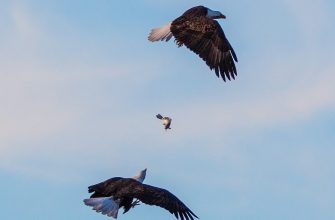
In winter the lake becomes one of the best places in the state to see bald eagles, which gather below the dam and along the open water; KDWP and local groups host an annual Eagle Day in January with spotting scopes and live-bird programs. Just below the dam you’ll find the Milford Nature Center and Fish Hatchery, a genuinely good stop with kids in tow. The nature center runs interpretive exhibits and live animals – raptors, reptiles, the works – and the state hatchery raises the walleye, wiper and catfish that keep Milford and other Kansas waters stocked. Admission is free, and it’s the kind of place that turns a fishing trip into a family day.
Trails, biking and horseback
Milford State Park has more than 12 miles of trails for hiking and mountain biking, winding through the oak woods and prairie above the shoreline, plus an equestrian area for riders who bring their own horses. It’s not a huge trail system, but it’s enough to stretch your legs between fishing sessions or to burn off the kids before dinner.
Where to stay and eat
If you’re not camping, Junction City sits minutes away with hotels, restaurants and groceries, and there’s lodging at the lake itself: Acorns Resort rents cabins and RV sites and hosts weddings and events at its center. For food with a view, The Cove Bar & Grill serves American standards lakeside, and the state-park marina and seasonal concessions handle the basics – bait, snacks, cold drinks and ice cream on a hot afternoon. The Milford Lake Event Center is the spot locals book for weddings, reunions and banquets if you’re planning something bigger than a cookout.
Getting there and what’s nearby
Milford is about 6 miles northwest of Junction City, just off I-70 – call it 10 minutes from Junction City, 30 minutes from Manhattan and Kansas State University, 45 minutes from Salina, and roughly an hour west of Topeka. From farther out it’s about two hours from the Kansas City area and a similar drive south from Lincoln, Nebraska.
You can easily build a full weekend around the lake. Fort Riley – one of the Army’s historic cavalry posts, with the U.S. Cavalry Museum – is right next door. Abilene, with the Eisenhower Presidential Library, is a short drive west, and downtown Manhattan with its restaurants and K-State campus is half an hour east.
Know before you go
- Park permit: a Kansas state-park vehicle permit is required to enter Milford State Park (daily or annual), sold at the office and online through KDWP. Corps day-use areas may charge their own fees.
- Fishing license: anglers 16-74 need a Kansas fishing license unless exempt – buy it before you cast.
- Algae: check the current KDHE blue-green algae advisory by zone before swimming, and keep pets away from scum.
- Water levels: as a flood-control reservoir, Milford rises and falls – check current lake data before launching, since low water can close ramps.
- Safety: there are no lifeguards; wear a life jacket, watch the wind (this is a big, open lake that builds a chop fast), and keep an eye on kids near the water.
- Best seasons: spring and fall for walleye and crappie; summer for wipers, swimming and camping; winter for eagles.
Frequently asked questions
How big and how deep is Milford Lake?
About 15,700 acres with roughly 163 miles of shoreline, making it the largest lake in Kansas. It reaches about 65 feet deep near the dam but is fairly shallow over much of its area.
Is Milford Lake safe to swim in?
Usually, but check first. Milford is prone to blue-green algae blooms in summer, and KDHE issues Watch or Warning advisories by zone (A, B and C). During a Warning, avoid swimming and keep pets out of that zone’s water; other zones may be fine. Always check the current advisory and the signs at the ramps before getting in.
What fish can you catch at Milford Lake?
Walleye, wiper (hybrid striped bass), white bass, crappie, channel and blue catfish, bluegill, and smallmouth, largemouth and spotted bass. The state-record smallmouth bass was caught here.
Can you camp at Milford Lake?
Yes – in two systems. Milford State Park has full-hookup, electric and primitive sites plus 10 cabins (reserve via Kansas State Parks), and the Army Corps of Engineers runs lakeside campgrounds – Curtis Creek, West and East Rolling Hills, Farnum Creek and School Creek – booked on Recreation.gov. Acorns Resort adds private cabins and RV sites.
Is there a marina and can you rent a boat?
Yes. The full-service marina at Milford State Park sells gas, bait and tackle and rents pontoons, with a fuel dock and fish-cleaning station. There are 14 public boat ramps around the lake.
What’s the water level at Milford Lake right now?
It varies – Milford is a flood-control reservoir held around a 1,144.4-foot conservation pool but raised and lowered to manage runoff. Check the Corps of Engineers’ daily lake data or USGS gauges for the current level, especially before trailering a boat, since low water can close ramps.
Are there eagles at Milford Lake?
Yes – winter is prime time, when bald eagles gather below the dam and along the open water. KDWP hosts an Eagle Day event each January.
Can you hunt at Milford Lake?
Yes. The Milford Wildlife Area is part of 33,000+ acres around the lake, about 70% open to public hunting for deer, turkey, pheasant, quail, dove and waterfowl. Check KDWP regulations and the wildlife-area map before you go.
Where is Milford Lake?
In north-central Kansas, about six miles northwest of Junction City, just off I-70 and roughly 30 minutes from Manhattan.
Where can you stay and eat at the lake?
Acorns Resort offers cabins and RV sites at the lake, Junction City has hotels and restaurants minutes away, and The Cove Bar & Grill plus the marina concessions handle food lakeside.
Related: explore more of the largest lakes in Kansas, or head back to the Kansas Lakes Database.