Neosho State Fishing Lake holds a special place in Kansas history: completed in 1927, it was the very first state lake built by the agency that became the Kansas Department of Wildlife and Parks. Nearly a century on, the 92-acre lake near Parsons is still a fine little fishery, especially noted for its panfish and channel catfish, and it’s exceptionally angler-friendly with 18 fishing piers, walking trails and primitive camping. For a piece of Kansas fishing heritage, it’s well worth the drive.
This guide covers Neosho State Fishing Lake – its history, the fishing, the camping, and what’s nearby. It’s part of our growing Kansas Lakes Database.
- Neosho State Fishing Lake at a glance
- The oldest state fishing lake in Kansas
- Fishing Neosho State Fishing Lake
- Camping and access
- Getting there and what’s nearby
- Frequently asked questions
- Is Neosho State Fishing Lake really the oldest in Kansas?
- How big is Neosho State Fishing Lake?
- What fish can you catch at Neosho State Fishing Lake?
- Can you camp at Neosho State Fishing Lake?
Neosho State Fishing Lake at a glance
- Size: a 92-acre lake within 124 public-use acres, 5 miles north of Parsons on Highway 59 then 4 miles east, in Neosho County, southeast Kansas
- History: completed in 1927 – the first state lake ever built in Kansas
- Managed by: Kansas Department of Wildlife and Parks (KDWP)
- Top fish: noted for panfish (bluegill, crappie, redear) and channel catfish, plus largemouth bass
- Special regulations: 18-inch minimum on largemouth bass and 15-inch minimum on channel catfish, five-fish creel limits
- Facilities: 18 fishing piers, a cement boat ramp, three walking trails, a shelter house and primitive camping
The oldest state fishing lake in Kansas
Neosho’s claim to fame is its age. When it was finished in 1927, it became the first lake built with funds from the Kansas Forestry, Fish and Game Commission – the agency now known as KDWP – effectively launching the state fishing lake system that today spans dozens of counties. Fishing a lake with that kind of history, surrounded by mature trees and quiet southeast-Kansas farmland, gives the trip a little extra meaning.
Fishing Neosho State Fishing Lake
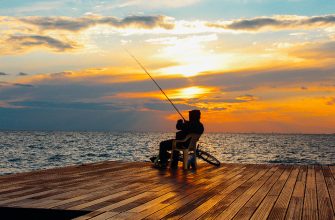
The lake is best known for its panfish and channel catfish. Anglers find good bluegill, crappie and redear sunfish along with largemouth bass, and KDWP manages the quality with special length and creel limits – an 18-inch minimum on bass and a 15-inch minimum on channel catfish, each with a five-fish limit. With 18 fishing piers spread around the shoreline, bank fishing is excellent. Anglers 16 to 74 need a Kansas fishing license; check the latest KDWP rules before keeping fish.
Camping and access
The lake has three designated primitive campsites, a cement boat ramp, two vault toilets and a shelter house that can be reserved for a flat fee. Three walking trails add a chance to stretch your legs and watch for wildlife. It’s a simple, peaceful base for a fishing weekend. As with any warm Kansas lake, watch for summer blue-green algae advisories and avoid visible scum.
Getting there and what’s nearby
The lake is northeast of Parsons in Neosho County, in the southeast corner of Kansas. For bigger water nearby, Big Hill Lake lies to the southeast and Elk City Lake to the west, while the historic Montgomery State Fishing Lake is another good small-lake option nearby.
Frequently asked questions
Is Neosho State Fishing Lake really the oldest in Kansas?
Yes – completed in 1927, it was the first state lake built by the Kansas Forestry, Fish and Game Commission, now the Department of Wildlife and Parks.
How big is Neosho State Fishing Lake?
About 92 acres, within 124 public-use acres, 5 miles north of Parsons on Highway 59 then 4 miles east, in Neosho County.
What fish can you catch at Neosho State Fishing Lake?
It’s noted for panfish (bluegill, crappie, redear) and channel catfish, plus largemouth bass, with special 18-inch bass and 15-inch catfish length limits.
Can you camp at Neosho State Fishing Lake?
Yes – there are three designated primitive campsites plus a reservable shelter house, a boat ramp and three walking trails.
Related: explore more small lakes of Kansas, or nearby waters like Big Hill and Montgomery State Fishing Lake – or head back to the Kansas Lakes Database.